
Songwriting Takeaway
- One chord can sustain LONG songs if arrangement evolves (radical validation)
Mode
Heavy Weather
Texture
amp pressure
Application
Bb minor
Key: Bb minor
Chord Progression: Bbm7 (entire song) -- ONE CHORD for 7 minutes. The ARRANGEMENT is the composition
Time Signature: 4/4 with slow, hypnotic groove
Notable Techniques
- ONE CHORD FOR 12 MINUTES (full version) -- Bbm7 never changes. Norman Whitfield's radical experiment: can groove alone sustain?
- 3-minute instrumental INTRO before any vocals -- builds tension through layering, not harmonic movement
- Wah-wah guitar as lead instrument -- creates conversational phrases, almost vocal-like
- Bass (James Jamerson-style) is MELODIC -- walks through Bbm scale, creating movement within static harmony
- String section plays COUNTERMELODIES -- cellos and violas doing independent lines, not just pads
- Call-and-response between Temptations members -- different lead singers ask questions, Dennis Edwards anchors
- Dynamics through SUBTRACTION -- instruments drop out, creating tension before re-entering
- Hi-hat is CONSTANT -- metronomic pulse provides skeleton while everything else floats
Emotional Effectiveness
- Children asking about dead father they never knew -- immediate emotional stakes
- Each verse reveals MORE about the absent father: preacher? Gambler? Three families? -- mystery deepens
- "And when he died, all he left us was alone" -- devastating final line, simple truth
- The LONG intro builds DREAD -- something heavy is coming. You feel it before hearing words
- No resolution, no redemption -- he was what he was. Children left processing
- Funkiness makes the pain BEARABLE -- you can dance while absorbing the grief
Production Elements
- Recorded at Motown's Hitsville USA and other LA studios with Norman Whitfield producing
- The "wah-wah guitar" (Dennis Coffey/Melvin Ragin) recorded with Morley pedal -- that "crying" tone
- Strings recorded LARGE -- full orchestral section, but written to weave, not wall
- Bass sits LOW (60-100Hz) but melodic movement keeps it audible
- Drums (Uriel Jones or Richard "Pistol" Allen) are SPARSE -- kick and hi-hat dominate, snare secondary
- Mix is WIDE -- guitar hard left, keys hard right, vocals center. Stereo separation maximized
- Extended mix (12:02) was Norman's vision; edited version (6:54) for radio -- both valid
Songwriting Tricks
- ONE CHORD = RADICAL CONSTRAINT -- forces arrangement innovation (validated: Trans-Europe Express, Dreams fragments)
- Extended instrumental intro builds ANTICIPATION -- audience earns the vocals
- Multiple narrators (different Temptations members) asking same question = communal trauma
- Reveal information GRADUALLY -- each verse adds new "what he did" details
- Don't resolve character's mystery -- "was he?" questions never fully answered
- Devastating simplicity for conclusion: "all he left us was alone" -- monosyllables hit hardest
- Wah-wah pedal creates EMOTIONAL expression from guitar -- mimics crying, questioning
- The GROOVE justifies the length -- if it feels good, listeners don't watch the clock
The Norman Whitfield Revolution
- Before Whitfield: Temptations = classic Motown pop ("My Girl," "Ain't Too Proud to Beg")
- After: Psychedelic soul -- longer songs, social commentary, experimental production
- This won 3 Grammys in 1973 (only time a Motown act swept)
- Whitfield broke Motown's 3-minute formula -- proved Black radio could play 7-minute songs
- Template for: disco extended mixes, Philly soul, Isaac Hayes long-form
- LESSON: Constraints ("single has to be 3 minutes") are negotiable if quality justifies
The Absent Father Narrative
- Each Temptation asks about a DIFFERENT alleged facet of the father
- "Was he a preacher?" / "Did he spend money?" / "Three outside children?" -- contradictory rumors
- The CHILDREN don't know their own father -- they're asking each other
- Mother's only answer: "He was a rollin' stone" -- non-answer that explains everything
- Universal resonance: many people have absent fathers with competing stories
- LESSON: Frame heavy topics as QUESTIONS -- listeners engage more than with declarations
The Extended Intro Technique
- 3:00 of instrumental before first vocal
- Most songs: hook in first 30 seconds
- This: DENIES you the vocal, builds hunger for it
- Instruments "speak" before voices do -- wah-wah guitar asks its own questions
- When Dennis Edwards finally sings, it's RELEASE -- you've waited, you've earned it
- LESSON: Delaying gratification increases impact. Don't give everything immediately
The Wah-Wah as Voice
- Wah pedal rocks back and forth, creating "wah-wah" filter sweep
- Sounds like crying, questioning, sighing -- EMOTIONAL without words
- Isaac Hayes used it on "Shaft," Sly Stone throughout -- psychedelic soul signature
- Guitar becomes SINGER when vocals rest
- LESSON: Instrumental hooks can be as memorable as vocal hooks (see also: Superstition clavinet)
Application to Our Work
- One chord can sustain LONG songs if arrangement evolves (radical validation)
- Extended intros build anticipation -- delay vocals if instrumentally compelling
- Multiple narrators/perspectives for complex stories -- communal rather than solo POV
- Reveal information gradually -- each verse adds layer
- Simple conclusion after complex setup -- "alone" hits because of buildup
- Wah/filter effects on instruments = emotional expression beyond melody
- Absent figures make compelling subjects -- what we DON'T know haunts
- Questions > statements for heavy subjects (validated: Rolling Stone, What's Going On)
- Groove justifies length -- don't watch clock if body is moving
Contrast With Other Lessons
- Shares one-chord constraint with "Trans-Europe Express," "Dreams," "HUMBLE." -- radical simplicity
- Shares extended intro with prog rock but FUNKIER -- accessible meditation
- Shares multiple-narrator with "Ms. Jackson" (Big Boi + Andre perspectives)
- Shares absent father theme with... this is surprisingly underrepresented! Fresh angle
- Shares wah-wah vocabulary with "Superstition," "Shaft," Hendrix -- psychedelic soul/funk connection
- Shares "don't resolve the mystery" with "Billie Jean," "Jolene" -- unanswered questions haunt
- Norman Whitfield's production complexity anticipates: disco, hip-hop sampling, ambient soul
- Groove-as-foundation principle connects to James Brown, but LONGER form
Reference Links
- Papa Was a Rollin' Stone on Apple MusicSong / recording search
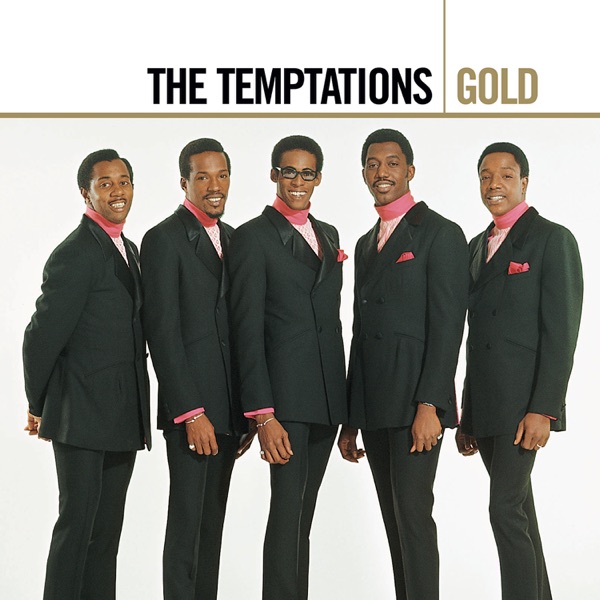
- Gold album referenceAlbum / artwork context
- The Temptations artist profileArtist background
- Papa Was a Rollin' Stone on MusicBrainzRecording metadata
- The Temptations on MusicBrainzArtist metadata