Browse Lessons by Artist
54 artists
Elevators (Me & You)
OutKast
This is a masterclass in writing about success without turning the song into a victory lap. The title gives you upward motion, but the track feels suspended, boxed-in, and haunted. That contradiction is the lesson: a song can make the listener feel the emotion
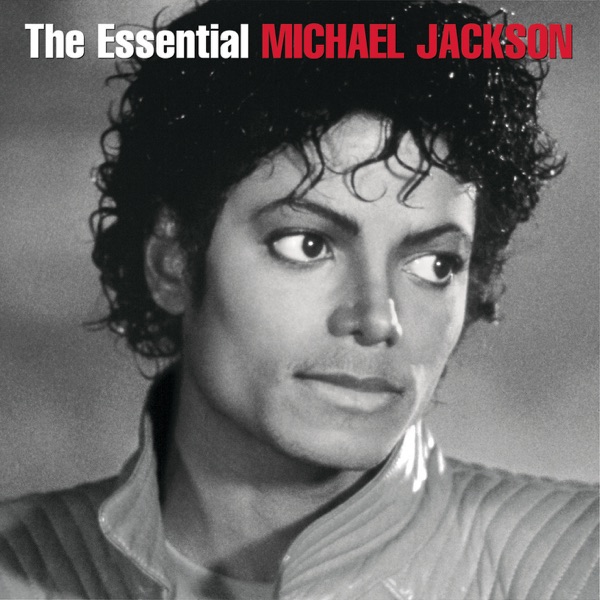
Don't Stop 'Til You Get Enough
Michael Jackson
This is a masterclass in making a song feel like pure momentum without writing a plot. The lyric is almost all sensation, invitation, and mantra; the arrangement supplies the actual story. For original work, especially trending-news songs, this is the reminder

Never Let Me Down Again
Depeche Mode
This is a perfect lesson in making a dangerous dependency sound euphoric. The lyric never names the escape too literally, while the arrangement turns the ride into a stadium ritual. Useful for trending-news songs because many modern stories are about seductive
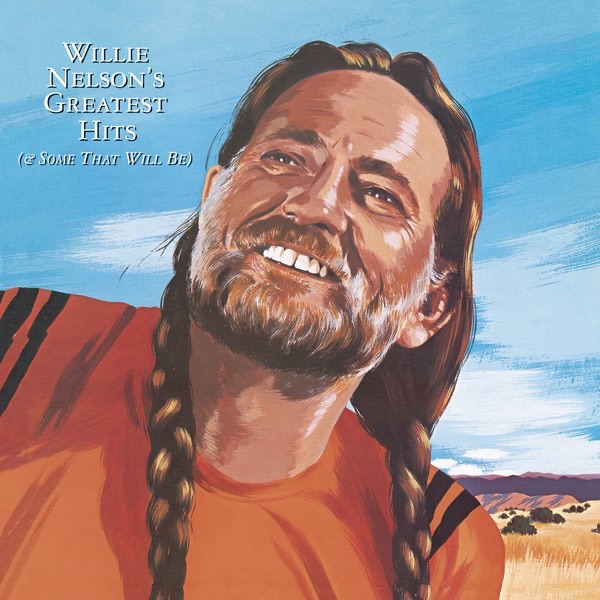
Blue Eyes Crying in the Rain
Willie Nelson
It is the opposite of an explainer song. Fred Rose gives one memory-image, Willie Nelson sings it with almost no ornament, and the entire emotional world appears from what is withheld. This is useful for Galaxy Transmissions because trending-news lyrics often
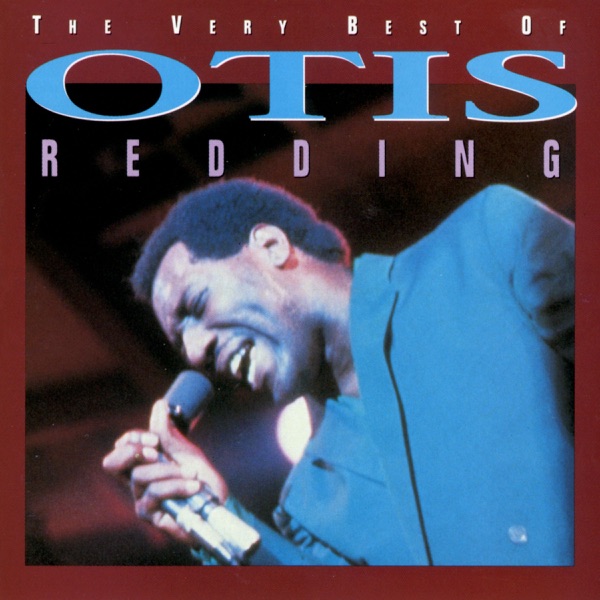
I've Been Loving You Too Long (To Stop Now)
Otis Redding
This is a masterclass in making a tiny lyric frame carry enormous emotional weight. It does not explain the whole relationship. It finds the exact moment where one person is tired, the other is more attached than ever, and stopping would feel like erasing the

King Kunta
Kendrick Lamar
It is a practical masterclass in making a political, historical, and personal contradiction feel like a party record. The song does not flatten itself into a protest essay; it struts. That makes the heavy material more replayable and more usable for original n

Little Red Corvette
Prince
It is a masterclass in turning one metaphor object into an entire emotional world. The track is sexy, nervous, funny, and cautionary at once, which is exactly the kind of double-reading we need for stronger trending-news songs.

9 to 5
Dolly Parton
It has maximum practical value for news-song writing: a labor story, a character song, a sonic object hook, and a chorus built from a phrase everybody already understands.
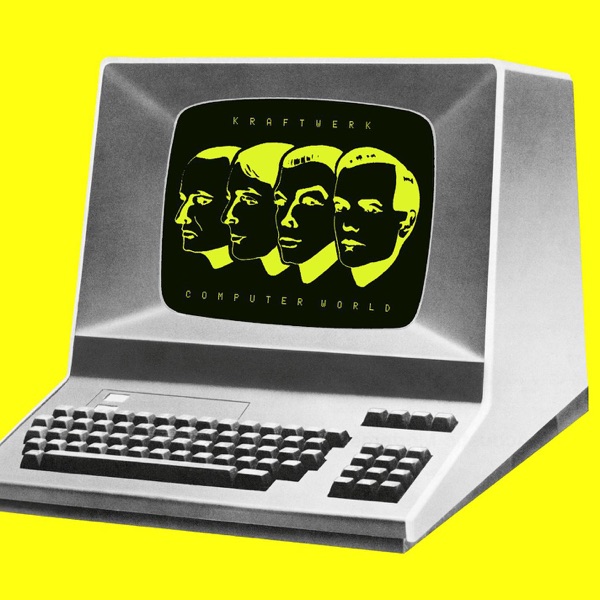
Computer Love
Kraftwerk
- For news songs about AI/chatbots/social platforms, start with: "Who is alone with the screen?"
Respect
Aretha Franklin
Intro / chorus: C7 -> F7 (I7 -> IV7 in practical C) Verse engine: G7 -> F7 (V7 -> IV7) -- the verse circles around dominant energy and delays the tonic payoff. Chorus payoff: return to C7 -> F7, so the title lands on home instead of floating in tension.
Under Pressure
Queen & David Bowie
Main pressure vamp / intro feel: D -> A -> Bm -> A as a practical reduction, often felt through the bass/piano riff rather than strummed block chords. Verse/chorus neighborhood: D, A, Bm, G, A, with I - V - vi - V and I - V - IV - V style motion depending on the reduction. Lift / bridge energy: G -> A -> D colors, with the bridge leaning toward G Mixolydian rather than sitting comfortably in plain D major.

Rosa Parks
OutKast
Core vamp: G#m -> E -> F# -> F#m Tonal center: F#m, with blues/modal ambiguity Functional feel: side-step tension -> backdoor color -> boastful major flash -> minor home

Everything Counts
Depeche Mode
Intro / interlude: Am -> G -> F -> Am Verse: Am -> E -> Dm -> Am, with E major acting as a hard dominant in minor Chorus: C -> G -> F -> Am, then Dm -> F -> G -> Ab -> Am as the hook phrase lands

Man in Black
Johnny Cash
Wardrobe as thesis: The whole song is built from one visible public choice: the black clothes. That image is simple enough for anyone to understand and broad enough to carry poverty, war, prison, grief, and social conscience without turning into a policy list. Public persona turned into lyric engine: Cash was already associated with the image. The song reverse-engineers the persona into a moral explanation. Instead of inventing a character, he explains why the character matters. Major-key seriousness: It is not a dirge. The major tonality keeps the song plainspoken and sturdy, while the subject matter supplies the shadow. That contrast makes the protest feel like resolve, not theatrical despair.
Trouble Man
Marvin Gaye
Minor vamp as survival posture: The D minor center barely moves. That makes the narrator feel like he is standing in one hard-lit place while danger circles around him. Jazz-blues sophistication inside soul phrasing: The harmony is simple on paper, but the color comes from extensions, horns, suspended tension, and Marvin's elastic vocal phrasing. Saxophone as second voice: The horn lines do not merely decorate; they answer the singer like a streetwise witness. It gives the track film-noir dialogue without adding words.
Another One Bites the Dust
Queen
Bass riff as the entire thesis: The bass does not support the song; it is the song. The vocal, drums, claps, and guitar all orbit that riff. This is the main lesson: if the riff is undeniable, the harmony can stay brutally simple. Negative space as groove: The record is sparse. The rests are as important as the hits. Every gap gives the bass more authority and makes the listener's body fill in the motion. Funk discipline from a rock band: Queen avoids the instinct to overplay. No giant guitar wall, no constant fills, no harmonic fireworks. The band chooses pocket over spectacle.

Ms. Jackson
OutKast
Apology as hook: The chorus is not a victory chant; it is a public apology. That is rare in rap singles, and it makes the song instantly human. Third-party address: The song is not addressed mainly to the ex, the child, or the public. It addresses the mother of the former partner. That angle makes the emotional field bigger: romance becomes family, reputation, generational judgment, and responsibility. Childlike piano/organ color against adult regret: The bright, almost nursery-rhyme keyboard figure contrasts with grown-up consequences: breakup, pregnancy, resentment, and co-parenting.

Jolene
Dolly Parton
Minor-key country hypnosis: Instead of a bright three-chord country major feel, the song uses a dark, modal-sounding minor loop. That gives the plea a haunted quality. Name as hook: The title is a person's name, repeated like a spell, accusation, prayer, and warning. The name becomes rhythm as much as meaning. Sparse story, vivid portrait: We learn very little plot, but the rival's beauty is rendered through high-impact physical details. The narrator's insecurity is therefore shown, not explained.
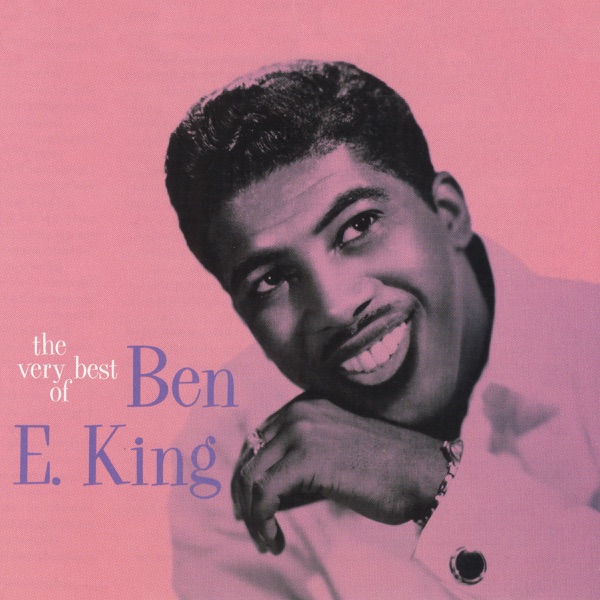
Stand by Me
Ben E. King
One-loop architecture: The same I-vi-IV-V cycle runs under verse, chorus, and instrumental space. The emotional change comes from vocal intensity, arrangement, and lyric stakes rather than new harmony. Bass hook as identity: The upright/electric-style bass figure is almost a second title. It outlines the chord loop with a walking confidence that says, "keep going." Percussion as heartbeat: The shaker/scrape pattern gives the track motion without making it frantic. It feels like footsteps in the dark.

Personal Jesus
Depeche Mode
Key / tonal center: F# minor practical center, with blues-rock/modal color rather than clean diatonic pop harmony. Chord progression / harmonic engine: Riff-first vamp centered on F#m, with movement implying the minor blues vocabulary more than a full progression. The song's identity is the repeated guitar/synth figure plus the chant-like title response. Time signature: 4/4.

What's Going On
Marvin Gaye
Key / tonal center: Best practical center: E major, with a strong relative-minor shadow. It feels major, but not triumphal; it is compassionate, suspended, and wounded. Chord progression / harmonic design: The famous home color is the Emaj7 to C#m7 relationship, with extended soul/jazz harmony creating lift without hard resolution. The major seventh matters: it makes the question feel tender and unsettled at the same time. Time signature: 4/4.

The Message
Grandmaster Flash & The Furious Five feat. Melle Mel & Duke Bootee
Key / tonal center: Commonly analyzed as A#/Bb minor. The practical feel is dark minor-mode electro-funk rather than a chord-rich progression. Chord progression / harmonic engine: Minimal vamp built around a minor bass/synth cell. The song works less by moving through changes and more by trapping the listener inside a repeating urban-pressure loop. Time signature: 4/4. The beat is steady, mechanical, and spacious enough for narrative clarity.

When Doves Cry
Prince
Key / tonal center: A minor. The tonality is cold, erotic, wounded, and unresolved rather than bluesy-warm or gospel-resolving. Chord progression / harmonic design: Not a friendly pop loop in the usual bass-led sense. A practical shorthand is Am - Dm - Em territory with modal/minor color and synth/guitar figures doing the emotional lifting. The absence of bass means the listener feels harmony as outline, tension, and negative space rather than as a grounded root motion. Time signature / feel: 4/4 electro-funk/pop feel, but the groove is intentionally weightless because the normal low-end anchor is removed.

The Lonesome Death of Hattie Carroll
Bob Dylan
Key / tonal center: Sounding roughly E major / E-modal folk territory on the original capoed guitar arrangement. The open-shape vocabulary gives the song plainspoken authority even though the capo brightens the sound. Chord progression / harmonic design: Practical guitar-shape shorthand: C - Am - Em repeatedly, often landing or lifting with G at the end of lines/sections. With capo 4, that sounds approximately E - C#m - G#m, with B as the lift. The emotional function matters more than Roman-numeral purity: major-to-relative-minor-to-minor shadow, then a brighter dominant-like push. Time signature / feel: 3/4 folk ballad / narrative waltz. The triple meter gives the story an inexorable, processional motion: it keeps turning even as the facts become uglier.
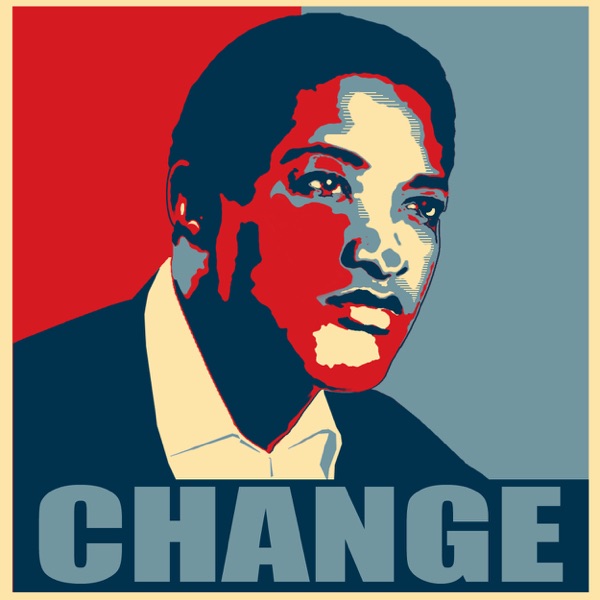
A Change Is Gonna Come
Sam Cooke
Key / tonal center: B-flat major in the original recording. The major key is crucial: this is not a minor-key complaint. It is hope sung through pain. Time signature / feel: Best felt as slow 12/8: four large beats, each subdivided into triplets. That gives the song a swaying, processional gravity, like a hymn walking uphill. Tempo: Slow soul ballad territory. Some teaching resources count the subdivisions faster, but the felt tempo is broad and patient.

One Mic
Nas
Key / tonal center: C minor. The minor center gives the song prayer, danger, and urgency at once. Time signature: 4/4. Tempo / feel: About 91-92 BPM, but the vocal dynamics make it feel like it accelerates without the beat actually needing to speed up.

Kiss
Prince
Key / tonal center: A, best understood as A7 / A funk-blues rather than clean diatonic A major. The dominant 7th color keeps it sexy, cocky, and unstable. Time signature: 4/4. Tempo / feel: About 112 BPM, but it feels lighter than the number because the arrangement is so skeletal. The groove breathes.
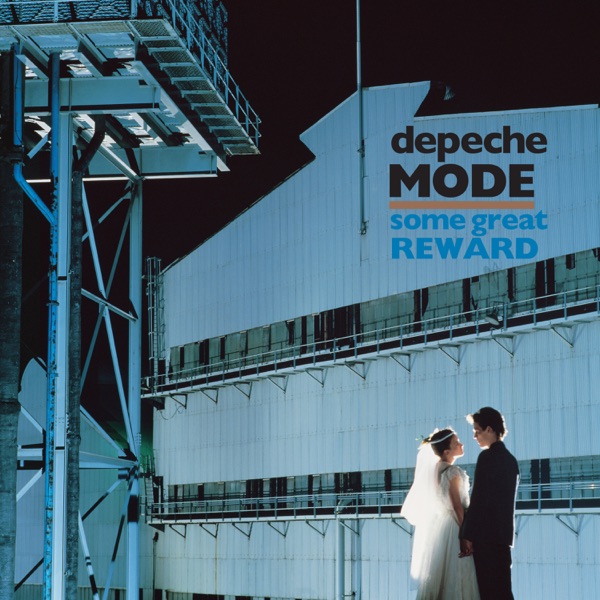
People Are People
Depeche Mode
Key: A minor. The track lives on a dark, modal-feeling Am center rather than a bright pop tonic. Time signature / tempo: 4/4, about 120 BPM — danceable, but stiff enough to feel like machinery or marching bodies. Main harmony: The song is much more riff/groove-centered than chord-centered. Practical shorthand: Am vamp with chorus/sectional movement touching F - Dm - C - Am. Functionally: i -> VI -> iv -> III -> i in A minor, with the tonic drone doing much of the emotional work.
Mercy Mercy Me (The Ecology)
Marvin Gaye
Practical core: Ebmaj7 - Cm7 - Fm7 / Ab color - Bb7sus/Bb7 territory; think Imaj7 - vi - ii/IV - V with gospel/jazz-soul warmth. The major 7ths keep the harmony tender and wounded instead of triumphant. The progression circles rather than marches. It feels like looking around at damage that keeps returning from every direction.
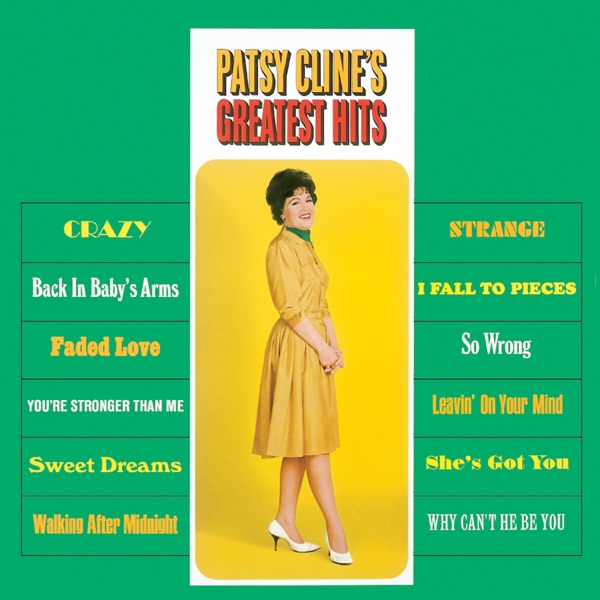
Crazy
Patsy Cline / Willie Nelson
Core opening feel: Bb - G7 - Cm - F7: a classic I - VI7 - ii - V7 turnaround. That VI7 is the key move. Instead of plain diatonic comfort, it leans toward the ii chord with old-pop sophistication and a little ache. The song keeps returning to home, but never in a blunt three-chord way. It circles home through regret-colored dominants.
Swimming Pools (Drank)
Kendrick Lamar
The record is essentially loop-based, not a traditional chord-progression song. The harmonic material stays narrow so the listener remains trapped in the ritual: pour, repeat, pressure, numb, repeat. Minor/modal color under a chant-like hook lets the chorus pass as a club command while secretly feeling hollow.

Wanna Be Startin' Somethin'
Michael Jackson
Core feel: E-centered vamp with Mixolydian color rather than a verse-prechorus-chorus chord journey. The bass/riff/horn engine supplies most of the harmonic identity. The progression behaves like a pressure cooker: very little harmonic escape, constant rhythmic escalation.
Love and Happiness
Al Green
Core vamp: G#m - C#m - G#m feeling, i to iv and back. Hook/turnaround color: E - D# - G#m, a VI - V - i move that gives the title a gospel/blues pull back home. Some charts transpose/normalize this to A minor, but the reusable lesson is the same: one minor home, one iv response, one dominant-area turn.
The Model
Kraftwerk
- Strong fit for AI influencers, celebrity trials, tech-founder mythmaking, platform avatars, political branding, sports-media narratives, product-launch hype, and viral people being reduced to one screenshot or nickname.
1999
Prince
- Strong fit for AI arms races, climate deadlines, political countdowns, shutdown threats, corporate product sunsets, strike deadlines, sports elimination nights, and viral countdown events.

Folsom Prison Blues
Johnny Cash
- Strong fit for scandal aftermaths, layoffs, bans/deplatforming, bankruptcies, court cases, failed launches, sports suspensions, AI product harms, public apologies, and institutional failures.
Hurt
Nine Inch Nails
- Strong fit for corporate apologies, AI harms, platform decay, political scandals, celebrity downfall, failed products, institutional neglect, environmental aftermath, and any trend where the emotional center is "look what we became."

B.O.B. (Bombs Over Baghdad)
OutKast
- Strong fit for AI arms-race stories, platform chaos, market/crypto swings, geopolitical escalation, sports-media frenzies, viral scandals, and any headline pileup where the emotional truth is acceleration.
Inner City Blues (Make Me Wanna Holler)
Marvin Gaye
- Strong fit for polycrisis news days, AI labor anxiety, rent/insurance pressure, healthcare waits, creator-platform squeeze, public transit breakdowns, and economic frustration.
The Times They Are A-Changin'
Bob Dylan
- Strong fit for AI labor shifts, housing pressure, generational politics, climate adaptation, institutional trust collapses, sports-league changes, platform enshittification, or public backlash arcs.
Somebody to Love
Queen
Core emotional motion: Ab -> Eb/G -> Fm -> Ab/Eb -> Db -> Eb -> Ab. This is basically I -> V over 3 -> vi -> I over 5 -> IV -> V -> I: a descending/anchoring bass line under a very open major-key plea. Gospel color comes from passing diminished/secondary-dominant moves and choir-style inversions rather than a static four-chord loop. The chorus keeps circling back to the title question instead of resolving the loneliness harmonically or narratively.
(Sittin' On) The Dock of the Bay
Otis Redding
- Excellent for disaster recovery, layoffs, migration/immigration, climate stories, bankruptcies, sports-franchise departures, hospital waits, and any story where the real wound is what remains after the public action.
Billie Jean
Michael Jackson
- Great fit for celebrity scandals, viral misidentifications, AI hallucination accusations, political leaks, sports rumors, wrongful-blame stories, and corporate PR crises.

Coat of Many Colors
Dolly Parton
- Strong news songs do not need to summarize the headline if they can find the headline's object.

Let's Stay Together
Al Green
- Strong fit for Galaxy Transmissions songs about disaster recovery, public trust, healthcare waiting, labor negotiations, schools/communities trying to hold together, or sports-fan loyalty after another brutal season.

The World Is Yours
Nas
- Strong fit for Galaxy Transmissions songs where the headline could easily become doomscroll pity: AI layoffs, housing strain, post-disaster rebuilding, local-school cuts, creator-platform collapse, or a long-shot sports/community story.

A Boy Named Sue
Johnny Cash
- Strong fit for songs about viral political nicknames, doomed product launches, AI-generated names/images, sports-media labels, corporate slogans after layoffs, or courtroom/presser moments where one absurd phrase becomes the whole story.

Sign o' the Times
Prince
- Strong fit for Galaxy Transmissions songs after chaotic news days: AI layoffs plus climate disaster plus political spectacle plus market panic plus platform decay.
I Heard It Through the Grapevine
Marvin Gaye
- Strong fit for Galaxy Transmissions songs about leaked layoffs, AI policy reversals, sports trades, political scandals, platform rule changes, celebrity breakups, court leaks, institutional coverups, and disaster-response failures.

Tangled Up in Blue
Bob Dylan
- Strong fit for Galaxy Transmissions songs about evolving stories: AI companies reversing promises, lawsuits with new filings, political figures changing positions, athletes' long redemption/fall arcs, corporate layoffs after years of hype, or public disaster
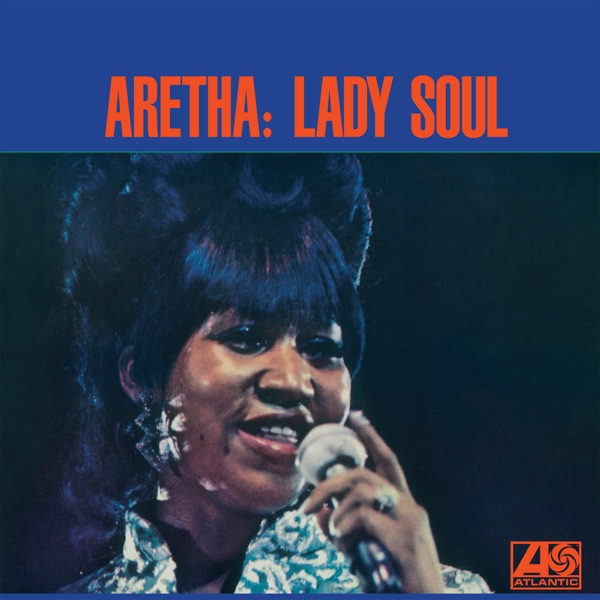
Chain of Fools
Aretha Franklin
- Strong fit for Galaxy Transmissions topics involving repeated public harm rather than one dramatic event: AI labor disruption, ticketing/service-fee outrage, private-equity hospital cuts, subscription traps, creator-platform backlash, sports-fan misery, or c
Radio Ga Ga
Queen
- Strong fit for AI product hype, platform decay, streaming consolidation, local-news collapse, sports franchise betrayal, or any story where a public thing once felt meaningful and now feels algorithmic or cheap.
Ring of Fire
Johnny Cash
- Excellent for trending stories driven by compulsion: social-media outrage, speculative bubbles, AI hype loops, celebrity scandal obsession, political grievance machines, wildfire/climate anxiety, gambling-style app mechanics, or fandom spirals.

Hey Ya!
OutKast
- This is ideal for trending stories where the headline has spectacle: AI product launches, IPO hype, sports championships with off-field rot, influencer scandals, corporate rebrands after layoffs, political rallies, celebrity breakups, viral challenges.

Blowin' in the Wind
Bob Dylan
- This is a strong Galaxy Transmissions pattern for stories with diffuse responsibility: climate disasters, housing failures, healthcare delays, AI labor displacement, repeated safety warnings, or institutional neglect.

It's Like That
Run-D.M.C.
Drum-machine austerity: big kick/snare architecture leaves no decorative haze; the record sounds like concrete. Unison/emphatic vocal delivery: Run and DMC hit phrases with sermon-like certainty, turning rap into public address. Hook as verdict: the title phrase functions less like a chorus and more like a stamped conclusion after each social observation.

Try a Little Tenderness
Otis Redding
- For trending-news songs, ask: "Who is tired here, and what simple act would actually repair something?"

Closer
Nine Inch Nails
- For trending-news songs, especially scandals or tech/social-media stories, ask: "What is the addictive loop everyone is stuck in?" Then write that loop, not the article.

Alright
Kendrick Lamar
- For trending-news songs, do not always write the recap. Sometimes write the chant the crowd needed.

I Walk the Line
Johnny Cash
- For trending-news songs about corruption, court rulings, ceasefires, labor standards, AI safety, public trust, or personal accountability, make the hook a boundary instead of a headline.

Heroes
David Bowie
- Two-chord verses work when arrangement/production creates variety (validated across 30+ lessons)
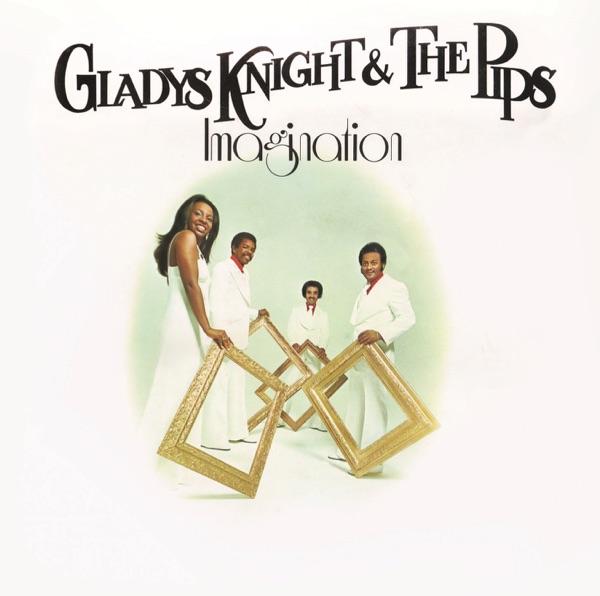
Midnight Train to Georgia
Gladys Knight & the Pips
- Backing vocals as NARRATIVE COMMENTARY, not just harmony -- give them lines that add perspective

Stayin' Alive
Bee Gees
- Two chords + relentless groove = timeless (pattern validated across 30+ lessons)
Around the World
Daft Punk
- Five elements = enough. Audit every arrangement: what can you REMOVEb

Baba O'Riley
The Who
- Electronic elements as structural foundation, not decoration -- synth/sequencer patterns can be load-bearing

Juicy
The Notorious B.I.G.
- Minor key + major chords = triumph despite struggle tonality
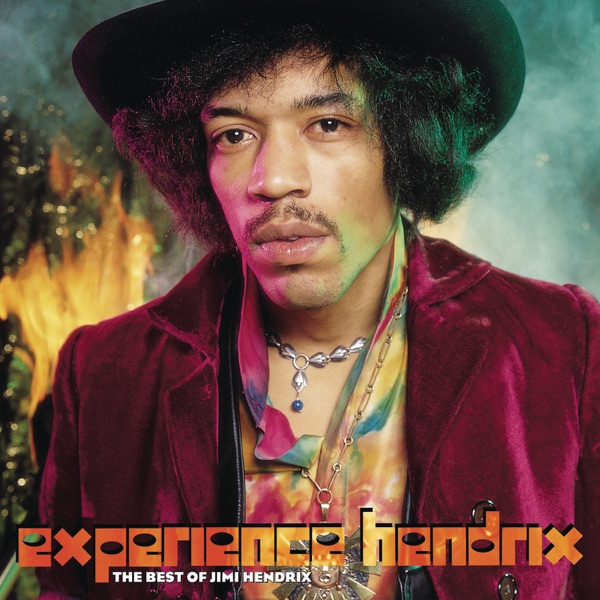
Purple Haze
Jimi Hendrix
- The tritone interval as hook -- maximum dissonance = maximum recognition
September
Earth, Wind & Fire
- Nonsense syllables as hooks -- if the sound is right, meaning is optional

Enjoy the Silence
Depeche Mode
Genre: Synth-pop/Electronic Key points: negative space as hook, minor-to-major key shift, lyric minimalism, acoustic demo rebuilt as electronic anthem, vocal intimacy at high energy
He Stopped Loving Her Today
George Jones
- Title misdirection = powerful structural device -- set up one meaning, reveal another

The Thrill Is Gone
B.B. King
- Minor blues for resignation/acceptance -- different emotional register than standard blues
Move On Up
Curtis Mayfield
- Conga/percussion as primary rhythm engine -- explore non-drum-driven grooves
Smells Like Teen Spirit
Nirvana
- Quiet-loud dynamics are our most POWERFUL unexplored tool -- verse restraint makes chorus EXPLODE
Blue Monday
New Order
- Syncopated drum patterns for instant identity -- don't default to standard

C.R.E.A.M.
Wu-Tang Clan
- Sample selection = emotional storytelling (the SOURCE carries meaning)
Crazy
Patsy Cline
- Chromatic bass walks add sophistication to simple progressions (see also: Ms. Jackson, Billie Jean pedal bass)
Papa Was a Rollin' Stone
The Temptations
- One chord can sustain LONG songs if arrangement evolves (radical validation)
Ain't No Sunshine
Bill Withers
- Placeholders can become hooks -- don't auto-delete "filler" that feels right

Once in a Lifetime
Talking Heads
- Two chords + complex rhythm = complexity budget spent wisely

No Woman No Cry
Bob Marley & The Wailers
- One drop rhythm for laid-back songs -- skip beat 1, create space
Dreams
Fleetwood Mac
- Two chords enough IF melody and dynamics evolve (validated pattern)

What'd I Say
Ray Charles
- Questions as hooks (validated pattern across genres)

I Got You (I Feel Good)
James Brown
- One chord IS enough if groove is bulletproof (validated: Jolene, HUMBLE., What's Going On)

Walk This Way
Run DMC feat. Aerosmith
- Rock samples in hip-hop contexts = proven formula (Kanye, Jay-Z later)

Trans-Europe Express
Kraftwerk
- Static harmony can work if texture EVOLVES -- don't need chord changes
Le Freak
Chic
- Two chords + incredible groove = timeless (see also: Jolene, What's Going On, HUMBLE.)

Always on My Mind
Willie Nelson
- Covers are valid creative acts -- if we inhabit them fully

N.Y. State of Mind
Nas
- Descending minor progressions (i -> bVII -> bVI) = melancholy, inevitable
Bohemian Rhapsody
Queen
- Structure can be ANYTHING if sections are individually strong
Head Like a Hole
Nine Inch Nails
- Simple progressions CAN support complex production -- don't overwrite chords

Like a Rolling Stone
Bob Dylan
- Questions as hooks engage more than statements (validated pattern)
HUMBLE.
Kendrick Lamar
- Simplicity = confidence. Don't overwrite to prove skill

Superstition
Stevie Wonder
- Riff-first writing works across genres (see also: Iron Man, Immigrant Song)
The Trooper
Iron Maiden
Galloping rhythm (down-down-up picking) -- mimics cavalry charge Dual harmony guitars in thirds and sixths -- Murray/Smith trade-off Parallel major modulation in solo (G major moment) for heroic feeling
Immigrant Song
Led Zeppelin
Gallop rhythm (eighth-eighth-rest) -- relentless forward momentum Fourth interval oscillation (A to D) -- creates the hypnotic riff Downstroke-heavy attack, slightly ahead of beat for urgency

Iron Man
Black Sabbath
Riff SPACING -- the gaps between notes are as important as the notes Tritone intervals for darkness (Devil's interval) Iommi's detuned guitars (necessity from finger injury = heavier sound)
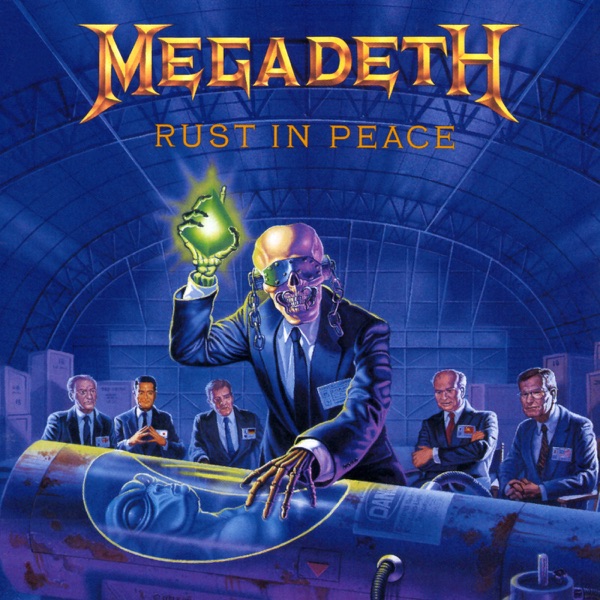
Tornado of Souls
Megadeth
"Spider chord" voicings -- stretched fingerings create dissonance Galloping rhythm (down-down-up picking) -- urgency, racing heartbeat feel Call and response between guitar and vocals

Holy Diver
Dio
Pedal tone riff (low E drones while melody moves above) Syncopated 16th note palm muting for groove Harmony guitar solos in thirds (NWOBHM influence)

Cowboys From Hell
Pantera
Dimebag's "squealing" harmonics for tension Palm-muted chugging creates rhythmic foundation Sudden dynamic drops before explosive choruses
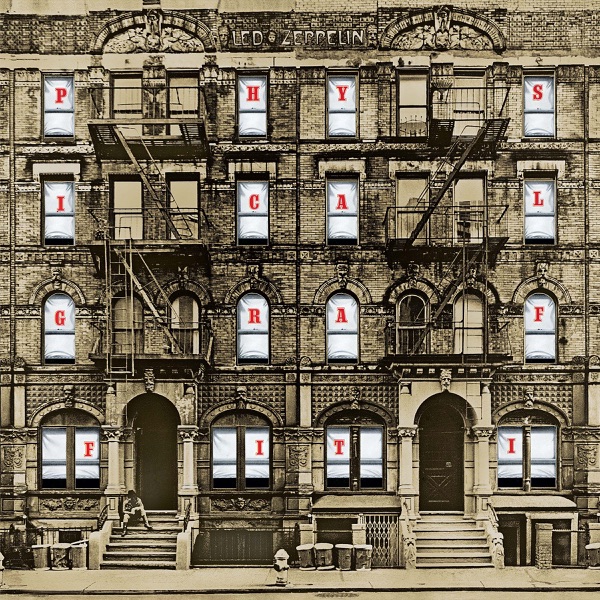
Kashmir
Led Zeppelin
DADGAD tuning for that droning, hypnotic quality String orchestra layering - builds cinematic scope Bonham's straight 4/4 against Page's 3/4 guitar = the magic