
Songwriting Takeaway
- Syncopated drum patterns for instant identity -- don't default to standard
Mode
Electric Minor
Texture
machine pulse
Application
D minor
Key: D minor
Chord Progression: Dm -> F -> G (verse) -- i -> bIII -> IV; chorus adds Am -> C -> Dm
Time Signature: 4/4 at 150 BPM with syncopated kick drum pattern
Notable Techniques
- Oberheim DMX drum machine opens ALONE -- syncopated kick (NOT four-on-the-floor) gives instant identity
- Sequenced Moog Source bass synth IS the hook -- 16th-note arpeggio, never stops
- Guitar buried as texture -- post-punk band HIDING their guitars in electronic mix
- Peter Hook's high bass philosophy influenced synth bass placement -- above guitar range
- Flat, disaffected vocal delivery -- emotion through DISTANCE, not expression
- 7:29 runtime -- longest 12" single to hit #1 UK. Factory Records refused to edit
- The kick pattern: ONE-two-AND-three-four -- syncopation on "and" of 2 creates lurching drive
Emotional Effectiveness
- Born from Joy Division's ashes -- Ian Curtis's death shadows every note
- "How does it feel to treat me like you do?" -- the question hook pattern again
- Machine precision masks genuine pain -- dancing to grief
- Minor key + upward chord movement = hope fighting despair simultaneously
- Flat vocal = emotional NUMBNESS, not absence. How grief actually sounds
- 7+ minutes creates TRANCE -- grief processed through motion, body carries what mind can't
Production Elements
- Britannia Row Studios (Pink Floyd's studio), self-produced
- Oberheim DMX + Moog Source + Emulator = core palette
- Bass synth sequenced with human feel -- played in LIVE to sequencer
- Factory Records lost money on every copy (Peter Saville's die-cut sleeve cost more than vinyl)
- Martin Hannett legacy: separation, space, each element in own frequency
Songwriting Tricks
- Machine rhythm + human emotion = the tension that defines electronic music
- ONE syncopated kick deviation from standard = instant recognition
- Bass synth as primary hook -- sequence IS the melody, not vocals or guitar
- Flat vocal delivery as emotional CHOICE -- numbness IS a feeling
- Questions as hooks (pattern #7 in our catalog)
- Genre fusion from genuine love -- post-punk meets NYC club culture honestly
- Extended runtime justified by groove/trance state
Key Lessons
- Syncopated kick pattern: one rhythmic deviation = total identity (vs. generic four-on-the-floor)
- Peter Hook bass revolution: high register bass as LEAD, leaves low end for kick/synth
- Post-punk -> dance bridge: keep the attitude, change the rhythm. Created house, techno, Madchester
- Anti-commercial packaging (no text on sleeve) BECAME the brand -- restraint as marketing
- Grief-to-dance pipeline: heavy subjects processed through body movement. Universal human behavior
Application to Our Work
- Syncopated drum patterns for instant identity -- don't default to standard
- Bass synth hooks can surpass vocal melodies in memorability
- Flat/numb delivery valid for grief, alienation -- not every emotion is big
- Genre fusion works when honest, fails when calculated
- Guitar can DISAPPEAR -- not every band needs audible guitar
- Anti-commercial restraint can become the identity
Contrast With Other Lessons
- Shares electronic foundation with Enjoy the Silence, Trans-Europe Express -- but adds DANCE energy
- Shares question-as-hook with Rolling Stone, What's Going On, When Doves Cry
- Shares bass-as-lead with Billie Jean, Superstition, Le Freak -- but ABOVE guitar register
- Shares grief-through-groove with When Doves Cry -- body processes what mind can't
- Bridges Joy Division -> Madchester -> modern EDM -- foundational genre document
- Shares syncopated kick innovation with James Brown's "On the One"
Reference Links
- Blue Monday on Apple MusicSong / recording search
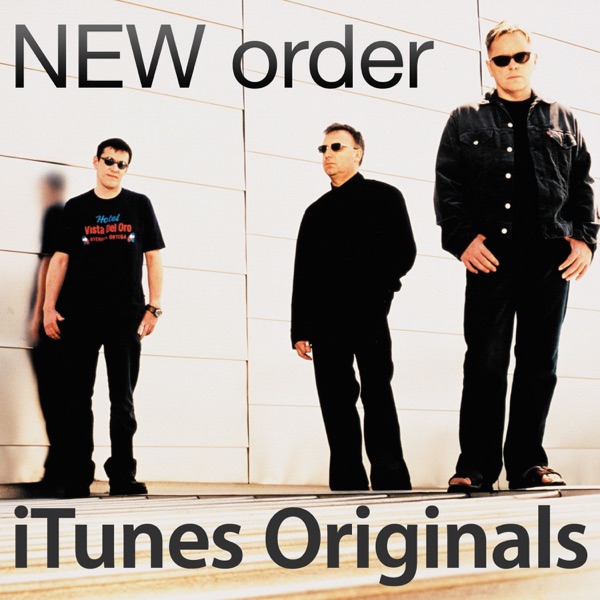
- iTunes Originals: New Order album referenceAlbum / artwork context
- New Order artist profileArtist background
- Blue Monday on MusicBrainzRecording metadata
- New Order on MusicBrainzArtist metadata