
Songwriting Takeaway
- Backing vocals as NARRATIVE COMMENTARY, not just harmony -- give them lines that add perspective
Mode
Soul Heat
Texture
warm tape
Application
Db major (warm, rich key -- unusual for soul, common in jazz)
Genre: Soul / R&B (Country Soul crossover)
Key: Db major (warm, rich key -- unusual for soul, common in jazz)
Chord Progression: Db -> Gb -> Ab -> Db (verse) -- I -> IV -> V -> I; Db -> Bbm -> Gb -> Ab (chorus) -- I -> vi -> IV -> V -- with chromatic passing tones in bass
Time Signature: 4/4 at ~100 BPM with Al Green-inspired laid-back soul pocket
Notable Techniques
- THE PIPS AS GREEK CHORUS -- Bubba Knight, William Guest, and Edward Patten don't just harmonize. They COMMENTATE. "Leaving on the midnight train" answered by "(Leavin' on the midnight train)" isn't echo -- it's CONFIRMATION. Then they ADD information: "(I know you will)" and "(I'd rather live in his world)" are separate narrative voices INSIDE the song. The Pips are characters, not backing singers
- Gladys's vocal delivery shifts between RESTRAINED verses and UNLEASHED ad-libs -- verse 1 is almost conversational, controlled. By the outro, she's testifying, improvising, PREACHING. The arc from control to abandon mirrors the emotional journey (choosing to leave everything behind)
- Al Green-inspired instrumental feel -- Gladys specifically requested the production emulate Green's Hi Records sound. Tony Camillo's first two arrangements were rejected as too polished/orchestrated. The THIRD attempt: small band, simple, stripped. Recorded in about an hour
- Gladys recorded her vocal in essentially ONE TAKE -- no warmup, no punch-ins. She knew what she wanted. The confidence of the delivery IS the performance
- Bob Babbitt on bass (Motown session legend) -- melodic, walking bass that LEADS the chord changes. Not just roots, actual PHRASES between chords
- Guitar sits BACK in the mix -- clean, gentle rhythm. Jeff Mirinoff plays SUPPORTIVE, not featured. The restraint leaves all space for Gladys
- Horns and strings overdubbed AFTER the core track -- added for color but the song works WITHOUT them. The bones are: voice, piano, bass, drums, guitar
Emotional Effectiveness
- "L.A. proved too much for the man" -- FIRST LINE establishes the story. No preamble, no buildup. You know the situation immediately. A man FAILED at his dream
- The narrator CHOOSES to follow a failed dreamer -- "I'd rather live in his world than live without him in mine." This isn't obligation, it's DEVOTION. She's choosing love over ambition, comfort, everything
- The Pips' commentary creates COMMUNITY WITNESS -- it's not just her decision. The group is there, acknowledging, supporting, agreeing. Communal validation of personal sacrifice
- "Superstar but he didn't get far" -- devastating compression. His WHOLE dream and its failure in one couplet. The casualness of "didn't get far" is brutal because it's matter-of-fact
- No anger at the man for failing -- no blame, no "I told you so." Pure love and loyalty. CHOOSING to share someone's defeat. This is RARE in song narratives
- The outro ad-libs ("my world, his world, my man, his girl") become almost stream-of-consciousness -- Gladys processing the decision in REAL TIME. She's convincing herself as much as declaring
- Originally "Midnight Plane to Houston" -- inspired by Farrah Fawcett's offhand phone comment to songwriter Jim Weatherly. Cissy Houston (Whitney's mother) changed it to "train to Georgia" because "my people didn't take planes." The SPECIFICITY of train travel adds romance and weight that "plane" never could
Production Elements
- Recorded at Venture Sound Studios, Somerville, NJ -- Tony Camillo producing with Ed Stasium engineering (Stasium later produced Ramones, Talking Heads, Mot -- rhead)
- TWO rejected arrangements before the final stripped version -- Gladys knew what she wanted and pushed back twice. The artist's instinct was RIGHT
- Small band: Jeff Mirinoff (guitar), Bob Babbitt (bass), Andrew Smith (drums), Tony Camillo (piano). That's IT for the core. Horns and strings overdubbed later
- Core track recorded in roughly ONE HOUR -- urgency and simplicity captured
- Mix puts Gladys's voice DOMINANT center -- everything else serves the story
- Warm, analog recording chain -- Db major's flatted key signature gives everything a ROUNDED quality on tape
- The Pips' backing vocals recorded separately but mixed to feel PRESENT, like they're in the room reacting
- Bass sits WARM (100-200Hz) with melodic movement -- Babbitt's Motown pedigree means the bass SINGS
Songwriting Tricks
- BACKING VOCALS AS NARRATIVE COMMENTARY -- the Pips don't repeat Gladys, they RESPOND. "(I know you will)" = a different character validating the protagonist's choice. This turns a solo vocal into a CONVERSATION, a SCENE with multiple perspectives
- First line tells the WHOLE STORY -- "L.A. proved too much for the man." Setting (LA), conflict (proved too much), character (the man). Eight words, complete premise
- Title as JOURNEY, not destination -- "midnight train to Georgia" evokes MOVEMENT, travel, decision. The train is the commitment made real. Specificity of transport mode = romance (trains > planes for emotional songwriting)
- The song originated as a COUNTRY SONG -- Jim Weatherly wrote it as folk-country. Cissy Houston made it R&B. Gladys made it SOUL. Same song, three genres, each interpretation valid. GREAT songs transcend genre
- Choosing to STAY with someone who failed -- songs about success, songs about failure, but songs about CHOOSING to share someone's failure? Rare and powerful
- No villain -- LA didn't cheat him, nobody betrayed him. Dreams just didn't work out. The NORMALCY of failure makes it universal
- Escalating commitment across choruses -- first chorus states the choice, later choruses DEEPEN it. "I'd rather live in his world" grows from statement to conviction through repetition
- The ad-lib outro extends the emotional processing -- Gladys improvises her way through the decision's weight. The SPONTANEITY makes it feel real, not written
The "Commentary Vocal" Technique
- Standard backing vocals: echo the lead ("midnight train" -> "midnight train"), or harmonize wordlessly ("oooh")
- The Pips' innovation: ADD new information. Gladys sings a line, the Pips respond with their OWN perspective
- "He's leaving" / "(Leaving)" / "On that midnight train" / "(Midnight train to Georgia)" / "And I'll be with him" / "(I know you will)"
- The parenthetical responses create a DIALOGUE -- multiple viewpoints in one performance
- This technique appears in: "Respect" (Aretha + sisters adding "TCB"), "Ms. Jackson" (OutKast call-and-response), gospel tradition broadly
- But the Pips elevated it to THEATRICAL level -- their responses are almost stage directions, narration, encouragement
- LESSON: Backing vocals can be characters, not just harmony. Give them lines that ADD to the story
The "Rejected Arrangement" Lesson
- Camillo's first arrangement: too polished, too orchestrated
- Camillo's second arrangement: still not right
- Camillo's third arrangement: stripped to basics -- piano, guitar, bass, drums. One hour. DONE
- Gladys KNEW what the song needed -- her instinct as performer overrode the producer's initial vision
- The final version's power comes from SIMPLICITY -- you hear every word, every vocal nuance, every Pip commentary
- LESSON: If an arrangement doesn't feel right, STRIP IT DOWN. The first instinct to add more is usually wrong. The answer is almost always: fewer elements, more space
The "Country to Soul" Transformation
- Jim Weatherly (Mississippi songwriter, country): wrote "Midnight Plane to Houston" -- folk-country ballad
- Cissy Houston: changed to "Train to Georgia," made it R&B with gender flip (now about a MAN failing)
- Gladys Knight: made it SOUL with Al Green influence, added Pips commentary, recorded in one take
- Same melody, same story structure -- three completely different GENRES
- The song's architecture is genre-AGNOSTIC. The chords (I-IV-V-I) and story work everywhere
- LESSON: If a song works in country AND soul, the STRUCTURE is bulletproof. Genre is dress code, not skeleton
The Farrah Fawcett Origin
- Weatherly called friend Lee Majors (future "Six Million Dollar Man")
- Farrah Fawcett (Majors' girlfriend) answered: "I'm leaving on a midnight plane to Houston"
- That offhand phrase became a #1 hit, Grammy winner, and one of the most iconic soul songs ever
- The REAL emotional content was Weatherly's own experience: he'd been an Ole Miss quarterback, NFL didn't work out, was in LA trying to make it as a songwriter -- HE was the man whose dreams proved too much
- LESSON: Overheard phrases, casual conversations, accidental poetry -- CAPTURE EVERYTHING. The hook is often in someone else's mouth
Why This Endures
- The emotion is UNIVERSAL -- everyone has either failed at a dream or loved someone who did
- The CHOICE to follow is the song's radical message -- loyalty as defiance. Not glamorous, not triumphant. Just committed
- Db major's warmth prevents sentimentality from becoming saccharine -- the key itself sounds like a warm room
- Gladys's one-take vocal has the irreplaceable quality of FIRST THOUGHT -- not overthought, not polished, just TRUE
- The Pips' commentary makes you feel like you're witnessing the decision with friends -- communal
- Won the Grammy, topped the Hot 100, became Gladys's signature -- commercial AND critical AND timeless. The trifecta
- LESSON: Songs about ordinary human choices (staying, leaving, following) outlast songs about extraordinary circumstances
Application to Our Work
- Backing vocals as NARRATIVE COMMENTARY, not just harmony -- give them lines that add perspective
- First line should tell the whole story -- establish setting, character, conflict immediately
- Strip arrangements to essentials -- if it doesn't work with piano/bass/drums/guitar, adding strings won't fix it
- One-take vocal energy captures truth -- don't over-polish away the humanity
- Songs can cross genres if structure is strong -- country bones + soul flesh = timeless
- Choosing loyalty/love over success = underexplored, powerful theme
- Casual conversation = potential hooks (capture offhand phrases)
- Rejected first drafts are normal -- the third arrangement was the charm
- Communal response vocals create scene, not just sound
- Db major for warmth -- the key itself contributes emotional tone
Contrast With Other Lessons
- Shares commentary-vocal technique with "Respect" (Aretha's sisters adding "TCB") and "Ms. Jackson" (OutKast call-and-response) -- backing vocals as characters
- Shares Al Green influence DIRECTLY -- Gladys specifically requested his Hi Records sound (see: Let's Stay Together lesson)
- Shares country-to-soul transformation with "Respect" (Otis country-soul -> Aretha pure soul) -- genre transcendence
- Shares one-take vocal authenticity with "Ain't No Sunshine" (Bill Withers) and "Dock of the Bay" (Otis Redding) -- first thought = best thought
- Shares stripped arrangement triumph with "Crazy" (Patsy Cline) -- less is more, producer yielded to artist
- Shares "casual phrase became a hit" with "Iron Man" (Ozzy's improvised intro), "Ain't No Sunshine" ("I know" placeholder)
- Shares Motown-exodus narrative with the Temptations ("Papa Was a Rollin' Stone") -- artists finding their voice after leaving
- Shares Bob Babbitt bass with Motown/Stax session tradition -- melodic bass as storytelling
- Shares I-IV-V-I foundation with "Folsom Prison Blues," "What'd I Say" -- blues/country bedrock adapted to soul
- Shares devotion-despite-failure theme with "Always on My Mind" (Willie Nelson) -- but from the OTHER perspective (the one who stays, not the one who failed)
Reference Links
- Midnight Train to Georgia on Apple MusicSong / recording search
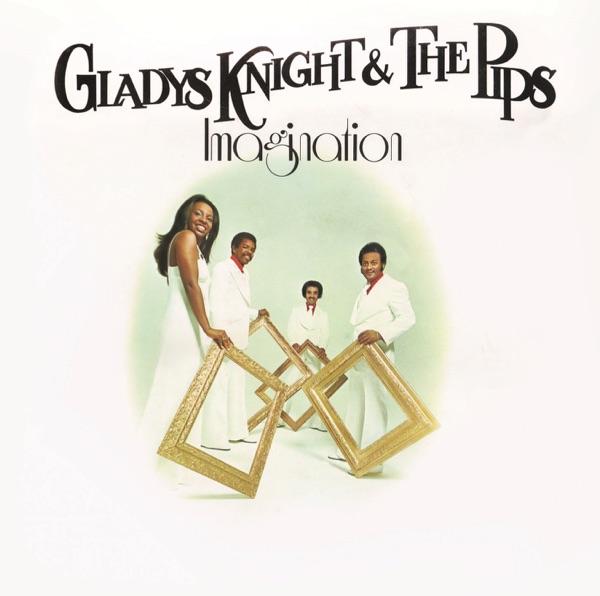
- Imagination (Expanded Edition) album referenceAlbum / artwork context
- Gladys Knight & the Pips artist profileArtist background
- Midnight Train to Georgia on MusicBrainzRecording metadata
- Gladys Knight & the Pips on MusicBrainzArtist metadata