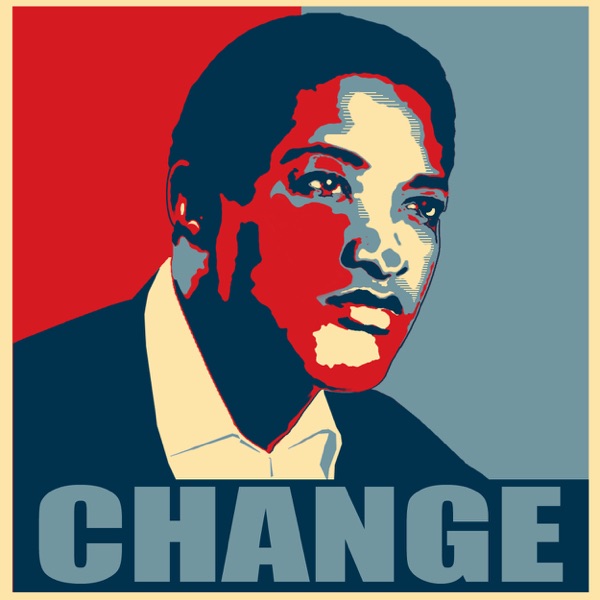

Songwriting Takeaway
- For trending-news songs, convert "what happened" into "what it feels like to keep waiting."
Genre: Soul/R&B / Civil Rights-era soul
Key: Bb major
Chord Progression: Bb -> Gm -> Eb -> F in the main verse language, with gospel/pop extensions and passing motion; bridge moves through more dramatic dominant tension before resolving back home. The backbone is I -> vi -> IV -> V, but the arrangement makes it feel far richer than a simple doo-wop loop.
Time Signature: 4/4, slow 12/8-style ballad feel -- triplet subdivision gives it a hymn-like roll rather than a square pop pulse.
Notable Techniques
- Orchestral soul arrangement -- strings, horns, timpani, and rhythm section create cinematic gravity without burying the vocal.
- Gospel-inflected melody over pop harmony -- Sam sings with church phrasing: held notes, graceful melisma, and phrases that lean behind the beat.
- Triplet/12-8 feel -- the song sways like a spiritual, giving the lyric patience and inevitability.
- Ascending emotional contour -- verses begin observational and weary, then lift into the title line like a promised horizon.
- Strategic dynamic swells -- the orchestra rises under key lines, then backs off so the voice feels alone again.
- Major key with heavy subject matter -- the brightness is not happiness; it is faith under pressure.
- First-person testimony -- not abstract politics. A single voice carries a collective wound.
- Title withheld as payoff -- "a change is gonna come" lands after the hardship has been named, so the hope feels earned.
Emotional Effectiveness
- The song is really about endurance: being battered by history but refusing to surrender the future.
- The opening image, "I was born by the river," immediately feels biblical, ancestral, and personal at once.
- Cooke never turns the song into a policy argument. He sings the human cost and the stubborn faith that outlives it.
- The lyric balances despair and promise: "It's been too hard living" sits right beside "but I'm afraid to die." That contradiction is the emotional engine.
- The title is not triumphal yet -- it is prophetic. The change has not arrived, but the singer can almost hear it coming.
- Because the vocal is controlled rather than shouted, the pain feels dignified. Restraint makes the ache larger.
Production Elements
- RCA-era orchestral production -- closer to film score and gospel than raw club soul.
- Strings carry the moral weight; horns add solemn punctuation rather than funk celebration.
- Timpani/low percussion gives the song a funeral-procession gravity.
- Vocal sits forward and clear, with enough room reverb to feel sacred but not distant.
- Rhythm section is subdued -- no flashy fills, no groove flex. The arrangement serves testimony.
- The record allows old-school pop polish and Black church feeling to coexist, which helped it travel beyond one audience.
Songwriting Tricks
- Prophecy hook: make the chorus a future-tense promise, not a present-tense claim. "A change is gonna come" is powerful because it is not here yet.
- Personal doorway into public history: start with "I" and concrete life images, then let listeners understand the larger movement.
- Contradiction beats slogan: "too hard living / afraid to die" is more moving than a clean motivational line.
- Mythic first image: river, road, mountain, storm, train -- archetypal images can make current events feel timeless.
- Hope must be earned: put the cost before the promise so optimism does not feel cheap.
- Use dignity instead of volume: for heavy topics, a controlled vocal can hit harder than a scream.
- Let the arrangement carry scale: lyrics can stay intimate while strings/horns imply history, crowds, and stakes.
Lyric Reverse Engineering
1. What is it really about underneath the surface? Not just civil rights in headline terms -- it is about exhausted faith: the private human burden of waiting for justice and still believing history can bend.
2. Likely starting point: emotion + phrase + public moment. Cooke likely began from the emotional contradiction of hope under oppression, then crystallized it in the title phrase "a change is gonna come." The Bob Dylan influence and civil-rights context provided permission to write beyond romance.
3. Framing mode: mythic testimony. It is first-person and literal enough to feel lived, but the river/road/change imagery elevates it into archetype.
4. How it avoids over-explaining: it names experiences, not arguments. No dates, no organizations, no policy details. It uses a few loaded images and lets history fill the silence.
5. Trending-news application: for a justice/protest/disaster story, do not recap the article. Find the person standing inside the aftermath and give them a future-tense line they can barely believe yet: "the water's gonna fall," "the doors are gonna open," "morning's gonna know my name."
The Prophetic Testimony Pattern
- Verse = lived burden.
- Pre/bridge = doubt or fear.
- Chorus/title = future promise.
- Arrangement = scale of history around one voice.
- Works when the topic has genuine stakes and people are waiting for something larger than one news cycle.
Application to Our Work
- For trending-news songs, convert "what happened" into "what it feels like to keep waiting."
- Use future-tense hooks when the story is unresolved: "is gonna come," "will find us," "won't stay buried."
- Avoid slogan-writing unless the slogan has poetic tension. A contradiction is better than a chant.
- Use mythic images sparingly -- one river or road is enough. Don't stack ten symbols.
- Major key can carry grief if the melody, tempo, and vocal delivery hold the ache.
- Let production create public scale while lyrics remain private and human.
Contrast With Other Lessons
- Shares gentle protest power with Marvin Gaye's "What's Going On" -- questions/promise over accusation.
- Shares major-key sadness with Otis Redding's "Dock of the Bay" -- light around loneliness.
- Shares mythic elevation with Dylan's "Like a Rolling Stone" and Zeppelin's "Immigrant Song," but applied to real historical pain rather than surreal character or legend.
- Opposite of Kendrick's "HUMBLE." confrontation -- this is persuasion through dignity and inevitability.
- Shares restraint principle with Al Green and Willie Nelson -- controlled vocal emotion beats theatrical overstatement.