
Songwriting Takeaway
Core opening feel: Bb - G7 - Cm - F7: a classic I - VI7 - ii - V7 turnaround. That VI7 is the key move. Instead of plain diatonic comfort, it leans toward the ii chord with old-pop sophistication and a little ache. The song keeps returning to home, but never in a blunt three-chord way. It circles home through regret-colored dominants.
Chord Progression Visuals
Genre lane: Country/Folk / countrypolitan ballad with jazz-pop harmony. Chosen because the recent run was Soul/R&B (Al Green), Pop/Funk (Michael Jackson), and Hip-Hop (Kendrick Lamar), so today deliberately moves into Country/Folk and avoids another rock/metal lesson.
Source / factual notes: Written by Willie Nelson and made definitive by Patsy Cline's 1961 recording. Practical musician references usually treat the Cline version as B-flat major, 4/4, slow ballad tempo around 68-72 BPM, with a country vocal sitting over jazz-standard-style turnarounds.
Key: B-flat major, with strong secondary-dominant and jazz/country-pop color. The emotional point is that the song sounds elegant and composed while the narrator is privately unraveling.
Chord Progression / Harmonic Design
- Core opening feel: Bb - G7 - Cm - F7: a classic I - VI7 - ii - V7 turnaround.
- That VI7 is the key move. Instead of plain diatonic comfort, it leans toward the ii chord with old-pop sophistication and a little ache.
- The song keeps returning to home, but never in a blunt three-chord way. It circles home through regret-colored dominants.
- Bridge color: the "worry" section commonly moves through Eb / diminished passing color / Bb-F / G7 / C7 / F7 territory, widening the emotional lens before returning to the title.
- Lesson: if the lyric is simple and exposed, richer passing chords can supply the complexity without forcing the words to explain themselves.
Time Signature: 4/4.
Tempo / Feel: Slow ballad, roughly 70 BPM. It is not dirge-slow; it has a gentle sway. The time feel gives the singer room to delay, bend, and confess.
Structural Snapshot
- Opens directly on the title: no scene-setting, no backstory, just the self-indicting word.
- Verse 1 defines the emotional condition: the narrator calls herself crazy for feeling lonely and blue.
- The song then reveals the real wound: she knew the love would be lost, but still kept hoping.
- The bridge pivots from identity label to self-questioning: why worry, why wonder, what did she think would happen?
- Final return makes the title sadder because the listener now knows it is not madness; it is attachment after the verdict.
Notable Techniques
- One-word emotional mask: "Crazy" sounds like self-mockery, but it hides grief, longing, denial, and shame in one singable adjective.
- Plain lyric over sophisticated harmony: The words are nearly conversational; the chords carry the adult complexity.
- Self-blame instead of accusation: The absent lover is not attacked. That restraint makes the narrator feel more vulnerable and less melodramatic.
- Delayed vocal phrasing: Patsy Cline often leans behind the beat, making the narrator sound like she is catching up to feelings she cannot outrun.
- Title repetition with changing meaning: Each "crazy" lands differently: lonely, hopeful, foolish, devoted, resigned.
- Country-jazz blend: Steel/guitar/orchestra polish creates a lonely ballroom feeling, not a front-porch complaint.
Emotional Effectiveness
The song works because it compresses a complicated emotional state into a word people use casually against themselves. "Crazy" is not a diagnosis here; it is the narrator's attempt to make unbearable longing sound simple. That makes the song devastating. She is not explaining every detail of the relationship. She is standing in the aftermath and naming the condition.
The music deepens the effect. The turnaround chords make the song feel like it is always circling back to the same thought. The melody rises with elegance instead of collapse, so the performance has dignity even when the lyric is full of self-reproach. That tension is why the song still feels usable: heartbreak is messy, but the record gives it poise.
Production / Arrangement Elements
- Close, controlled lead vocal with tasteful bends and sustained notes.
- Lush countrypolitan backing that makes private pain feel cinematic.
- Piano/guitar rhythm supports the jazz-pop turnaround without overcrowding the singer.
- Gentle backing texture; no heavy drama needed because the title does the heavy lifting.
- Arrangement leaves breath around the vocal, letting tiny timing choices become emotional events.
Songwriting Tricks Applicable to Original Work
- Start with a common self-label: crazy, tired, late, fine, wrong, numb, clean, hungry, safe. Then reveal what the label is really covering.
- Let the chorus repeat the label, but make each verse change what the listener hears inside it.
- For a simple lyric, use harmonic sophistication to imply emotional sophistication.
- Avoid villain monologues. Sometimes self-blame is more heartbreaking than accusation.
- Put the listener after the decisive event, not inside the whole timeline. The aftermath can imply the story.
- If writing with AI/Suno, pair plain first-person language with richer chords or arrangement tags: countrypolitan, jazz-country ballad, brushed drums, pedal steel, warm piano, late-night vocal.
### Lyric Reverse-Engineering
1. What is the lyric really about underneath the surface?
Under the surface, it is about the humiliation of wanting what you already know is gone. The narrator calls herself "crazy" because admitting "I still love someone who is leaving" feels too exposed. The real subject is not irrationality; it is the gap between knowledge and attachment.
2. Likely starting point
Likely title/phrase + emotion. Willie Nelson probably began with the power of a single loaded word: "crazy." From there, the song discovers that the word can be aimed inward, not outward. The title becomes a doorway into loneliness, worry, hope, and resignation.
3. Framing type
Emotional-residue + minimal confession + contrast/double-reading. The lyric is literal enough to be heartbreak, but the title double-reads: the singer says "crazy" as self-criticism, while the listener hears grief and devotion.
4. How does the song avoid over-explaining?
It never gives the lover's name, the breakup scene, the reason, the argument, or a timeline. It stays with the emotional residue after the facts. The repeated title, simple admissions, and elegant harmony let the listener infer the missing story. The song trusts one word to carry the whole room.
5. What approach could apply to trending-news songs?
For trending news, find the loaded public label people are using too quickly -- "crazy," "lazy," "fake," "washed," "greedy," "obsolete," "unsafe," "replaceable." Write from inside the person or group wearing that label. Do not litigate the full controversy. Let the chorus repeat the label while verses reveal the human condition underneath it.
Practical Galaxy Transmissions Application
Instead of writing "workers are afraid AI will replace them," write a country-soul ballad called "Obsolete." The narrator repeats the word the company never quite says out loud. Verse images: a badge that still opens the door, a kid's lunch packed before sunrise, an HR webinar, a model demo clapping in the conference room. The chorus does not explain labor economics; it asks why the word hurts when the worker is still breathing.
Reusable approach discovered: Loaded Label Confession -- take a public label or insult and make the labeled person sing it as a private confession until the audience hears the wound underneath.
Practice Prompt
Pick a headline where a person, profession, community, or product has been flattened into one judgment word. Make that word the title. Verse 1 shows how the outside world uses it. Verse 2 shows what it feels like inside a room, body, job, or family. Keep the backstory partial. Let the chorus repeat the label until it stops sounding like a verdict and starts sounding like pain.
Connections to Prior Lessons
- Shares aftermath focus with Dolly Parton's "Jolene," but turns the plea inward instead of toward a rival.
- Shares minimal-title power with Nas's "One Mic," but replaces urgency with wounded stillness.
- Shares double-reading with Al Green's "Love and Happiness": one phrase holds more than one moral/emotional truth.
- Shares public-label usefulness with Kraftwerk's "The Model," but here the label cracks open into confession rather than cool display.
Reference Links
- Crazy on Apple MusicSong / recording search
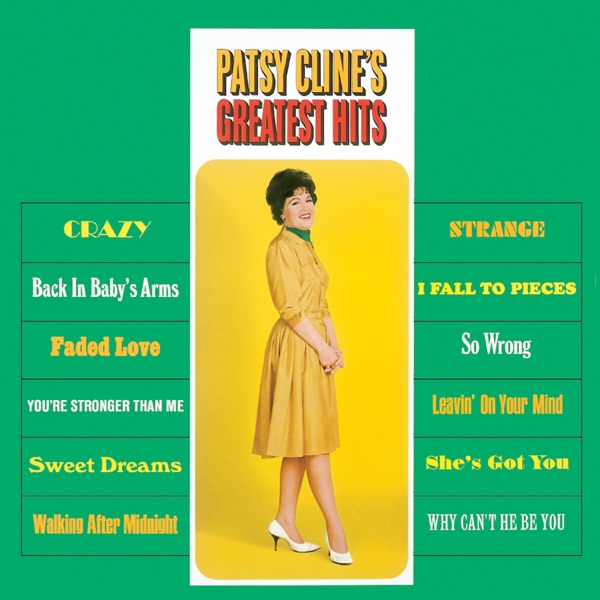
- Patsy Cline's Greatest Hits album referenceAlbum / artwork context
- Patsy Cline / Willie Nelson artist profileArtist background
- Crazy on MusicBrainzRecording metadata
- Patsy Cline / Willie Nelson on MusicBrainzArtist metadata