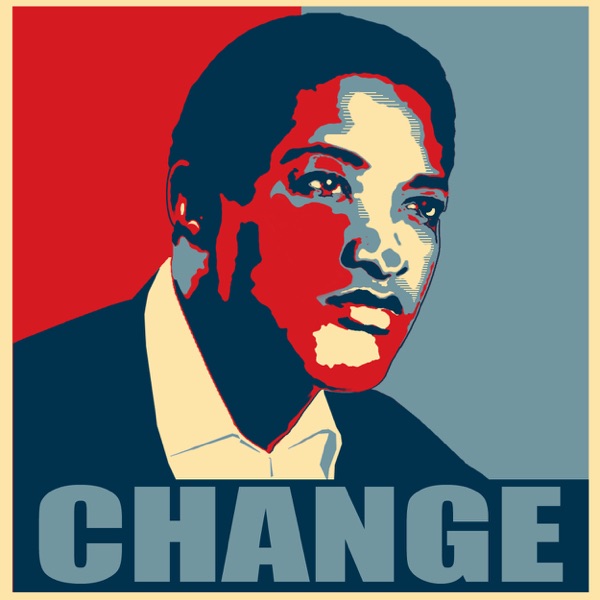

Songwriting Takeaway
Key / tonal center: B-flat major in the original recording. The major key is crucial: this is not a minor-key complaint. It is hope sung through pain. Time signature / feel: Best felt as slow 12/8: four large beats, each subdivided into triplets. That gives the song a swaying, processional gravity, like a hymn walking uphill. Tempo: Slow soul ballad territory. Some teaching resources count the subdivisions faster, but the felt tempo is broad and patient.
Chord Progression Visuals
Genre lane: Soul/R&B / gospel-orchestral civil-rights soul. Chosen because the last three full lessons were Electronic (Depeche Mode), Pop/Funk (Prince), and Hip-Hop (Nas). This keeps the rotation away from rock/metal and moves back into deep soul. Checked the log: this song was referenced before, but not used as a full lesson.
Source / factual notes: Common references place the original recording in B-flat major, with a slow 12/8 / triplet-ballad feel often taught as 3/4 or 6/8 depending on notation. The recording appeared on Ain't That Good News in February 1964 and was released as a single on December 22, 1964. Public histories connect the song to Cooke's lived experiences with racism, including being turned away from segregated spaces, and to his response to Bob Dylan's protest songwriting. Sources checked: Wikipedia song entry for release/arrangement background; Songsterr/chord references for original key; guitar lesson references for 12/8 feel; New Yorker/Vanity Fair summaries for historical context.
### Core musical facts
- Key / tonal center: B-flat major in the original recording. The major key is crucial: this is not a minor-key complaint. It is hope sung through pain.
- Time signature / feel: Best felt as slow 12/8: four large beats, each subdivided into triplets. That gives the song a swaying, processional gravity, like a hymn walking uphill.
- Tempo: Slow soul ballad territory. Some teaching resources count the subdivisions faster, but the felt tempo is broad and patient.
- Chord progression / harmonic design: Practical shorthand in B-flat: a gospel/soul ballad frame moving around Bb - Gm - Eb - Cm/F colors, with passing dominants and chromatic motion creating lift into the refrain. The song is not a three-chord folk protest tune; it uses orchestral soul harmony to make the promise feel earned and almost cinematic.
- Form feel: Verse testimony -> refrain promise -> new hardship -> refrain promise. Each verse is a station in the same pilgrimage rather than a plot-heavy chapter.
### Notable techniques
- Major-key sorrow: The major tonality keeps the song from collapsing into despair. Pain is present, but the harmony points forward.
- 12/8 as moral endurance: The triplet feel creates a steady rocking motion. It feels like walking, rowing, praying, or waiting. The groove embodies duration.
- Orchestral elevation: Strings, horns, and timpani lift personal testimony into public myth. The arrangement says this is not just one man's complaint; it is history entering the room.
- Verse-specific arrangement movement: The record does not need dense lyric exposition because the arrangement changes emotional weather around each stanza.
- Small autobiographical doorway, universal room: The opening image is personal and concrete, then the song expands until it feels communal.
- Qualified hope: The refrain does not claim change has already arrived. It says the waiting has been long, and the belief survives anyway.
- Vocal dignity over theatrical excess: Cooke sings with control. The restraint makes the hope feel disciplined, not naive.
### Emotional effectiveness
The song works because it refuses two easier choices: pure despair and cheap triumph. It lives in the dangerous middle, where suffering is undeniable but surrender is not permitted. The melody rises like it is trying to see over a wall, while the 12/8 pulse keeps returning to the ground.
The emotional masterstroke is that the promise sounds both fragile and inevitable. Cooke does not over-prove the case. He gives enough lived evidence for the listener to understand the weight, then returns to the same future-facing statement. That repetition turns hope into a practice rather than a mood.
### Songwriting tricks applicable to original work
- Let hope be conditional, not glossy. A promise is stronger when the verses prove why it is hard to believe.
- Use a journey image as the whole lyric engine. River, road, hallway, shift, line, queue, bus ride, flight delay: one motion image can carry a social story without a lecture.
- Write testimony, not argument. The singer does not need to win a debate if the details already make the moral case.
- Make the chorus bigger than the narrator. Start in first person, but let the hook feel like it belongs to everyone in the room.
- Use arrangement as history. Strings, horns, choir, drums, or electronic swells can expand a private scene into a public reckoning.
- Avoid naming every oppressor. A few concrete refusals or obstacles can imply the system more powerfully than a full policy summary.
- For Suno prompts: "gospel-orchestral soul ballad, B-flat major feel, slow 12/8, civil-rights testimony, strings and French horn melancholy, dignified lead vocal, restrained drums, hopeful refrain after hardship verses."
### Lyric reverse-engineering
1. What is the lyric really about underneath the surface?
On the surface, it is a civil-rights-era hope song. Underneath, it is about endurance after repeated humiliation: how a person keeps a future inside them when the present keeps denying their dignity. The real subject is not abstract optimism. It is the discipline of believing while tired.
2. Likely starting point
Likely emotion + phrase/title + testimony scene. The core phrase gives the promise, but the opening life/journey image gives the song its body. Cooke likely needed a form that could hold both personal memory and public struggle, so the song became a testimony sequence: I have been moving, blocked, afraid, knocked down, but the promise remains.
3. Framing type
Prophetic testimony + emotional-residue + mythic elevation. It is literal enough to connect to real segregation and civil-rights struggle, but it is framed like scripture or pilgrimage rather than reportage. The river/road feeling makes the singer both one person and a representative soul.
4. How does the song avoid over-explaining?
It does not list organizations, laws, dates, or a complete biography. It gives a few charged human situations, then lets the refrain absorb them. The lyric also avoids perfect certainty by keeping the hope future-tense. That keeps it honest: the song is not pretending the wound is healed.
5. What approach could apply to trending-news songs?
For news stories about labor, courts, civil rights, climate recovery, healthcare waits, AI displacement, strikes, school closures, or community harm, do not write the whole article. Write from one body moving through the pressure: a hallway, a bus line, a courthouse step, a delivery route, a break room, a flooded street. Let each verse show one obstacle. Let the hook carry a future-tense promise that is modest but stubborn.
### Reusable approach discovered: Future-Tense Testimony
Use a first-person witness voice, a journey image, and a refrain that promises change without claiming it has arrived. The verses prove why hope is difficult; the chorus proves why it is necessary.
### Practical original-work exercise
Write a 90-second soul ballad from a current headline without naming the headline. Pick one movement image: waiting room, bridge, bus, hallway, line, river, train, shift, checkout, evacuation route. Verse 1: where the narrator starts. Verse 2: the system blocks them. Bridge: a moment of doubt. Chorus: one future-tense promise. Keep the lyric under-explained and let backing vocals turn the private promise communal.
### Connections to prior lessons
- Shares protest-song lineage with Dylan's "Blowin' in the Wind," but changes the frame from public question to personal testimony.
- Shares qualified hope with Otis Redding's "Dock of the Bay," but Cooke turns waiting toward collective change rather than private resignation.
- Shares major-key sadness with Marvin Gaye's "What's Going On," using beauty to make grief approachable.
- Shares minimum-object compression with Nas's "One Mic," but the object here is not a tool; it is a future.
Reference Links
- A Change Is Gonna Come on Apple MusicSong / recording search
- A Change Is Gonna Come - EP album referenceAlbum / artwork context
- Sam Cooke artist profileArtist background
- A Change Is Gonna Come on MusicBrainzRecording metadata
- Sam Cooke on MusicBrainzArtist metadata