
Songwriting Takeaway
One-loop architecture: The same I-vi-IV-V cycle runs under verse, chorus, and instrumental space. The emotional change comes from vocal intensity, arrangement, and lyric stakes rather than new harmony. Bass hook as identity: The upright/electric-style bass figure is almost a second title. It outlines the chord loop with a walking confidence that says, "keep going." Percussion as heartbeat: The shaker/scrape pattern gives the track motion without making it frantic. It feels like footsteps in the dark.
Genre lane: Soul/R&B / early-60s pop-soul. Chosen because the recent rotation was Hip-Hop (Grandmaster Flash), Soul/R&B (Marvin Gaye), and Electronic (Depeche Mode); this keeps the run away from rock/metal while studying a song not already logged. It is also unusually practical: one tiny chord loop, one plain-language vow, and one universal fear image carry the whole record.
Writers: Ben E. King, Jerry Leiber, Mike Stoller
Key: A major on the classic recording.
Chord progression: A - F#m - D - E, repeating almost the entire song: I - vi - IV - V. This is the classic 50s/60s doo-wop loop, but slowed and weighted so it feels like a promise rather than nostalgia.
Time signature: 4/4, moderate tempo around the low 120s BPM, with a gentle but insistent backbeat.
### Notable Techniques
- One-loop architecture: The same I-vi-IV-V cycle runs under verse, chorus, and instrumental space. The emotional change comes from vocal intensity, arrangement, and lyric stakes rather than new harmony.
- Bass hook as identity: The upright/electric-style bass figure is almost a second title. It outlines the chord loop with a walking confidence that says, "keep going."
- Percussion as heartbeat: The shaker/scrape pattern gives the track motion without making it frantic. It feels like footsteps in the dark.
- Strings as emotional weather: The strings do not over-narrate; they hover and answer. They make the night feel wide without turning the record into melodrama.
- Gospel phrasing in a secular promise: King's vocal uses church-like lift, call, and release, but the lyric stays intimate and human.
- Melodic restraint: The melody is simple enough for a crowd to sing, but the held notes make the plea feel physically vulnerable.
- Title placement: "Stand by me" lands as both command and prayer. It is not decorative; it is the entire emotional transaction.
### Emotional Effectiveness
The song works because it makes the fear huge and the request small. The world may go dark, mountains may move, the sky may fall -- but the narrator does not ask for explanations, victory, revenge, or rescue. He asks for presence.
That contrast is the engine:
- cosmic threat vs. human closeness
- simple harmony vs. enormous emotional stakes
- steady groove vs. trembling lyric scenario
- romantic/private address vs. universal survival need
The genius is that the title is not "Don't Be Afraid" or "Everything Will Be Fine." It is more honest: fear may remain, but companionship changes what fear can do.
### Songwriting Tricks Applicable to Original Work
- Use a tiny chord loop when the hook is emotionally complete. If the title already contains the thesis, complicated harmony may weaken it.
- Make the ask smaller than the crisis. A modest chorus can feel more powerful than a grand slogan because the listener senses the gap.
- Let images escalate, not explanations. Night -> land -> mountains -> sky gives scale without a lecture.
- Repeat the title as a vow, not filler. Each repetition should feel like choosing the same person again.
- Write a chorus that can belong to lovers, friends, families, communities, and movements. Universal address increases coverability and longevity.
- Keep the narrator dignified. Vulnerability is not whining when the request is clear and the vocal stands upright.
### Lyric Reverse Engineering
1. What is the lyric really about underneath the surface?
On the surface it is a love/support song: stay near me when things get hard. Underneath, it is about existential fear being made bearable by loyal presence. The real subject is not romance alone; it is the human need for witness when the world becomes unstable.
2. Likely starting point:
Most likely a title/phrase plus emotional need: "stand by me" as a plain-spoken vow. From there, the writers needed images big enough to justify the request. The chord loop supplies the feeling of steadiness; the lyric supplies the threat.
3. Framing mode:
Minimal + mythic + emotional-residue. It is not a literal story. It is a stripped-down vow placed against almost biblical/cosmic imagery: darkness, land, mountains, sky. The residue is fear, but the frame is companionship.
4. How does the song avoid over-explaining?
It never tells us the couple's backstory, conflict, age, location, or problem. It names only conditions of fear and the desired response. The images are archetypal enough that listeners bring their own crisis to the song.
5. Approach for trending-news songs:
For a complicated public crisis, do not always explain the crisis. Sometimes the stronger song is the human request inside it: stay, witness, hold the line, keep the door open, walk with me, say my name, stand by me. Use one large-scale image from the news and one small relational ask.
### Practical Exercise
Take a current headline and write only this skeleton:
- Verse image 1: the world gets unstable in one sensory way.
- Verse image 2: the instability widens.
- Chorus: one small request for presence or loyalty.
- Do not explain policy, timeline, or blame in the hook.
Example for a heat/disaster story: instead of "insurance markets are failing after climate disasters," write from a porch after evacuation, with ash on the mailbox and a phone at 2%, then hook on "stay on the line with me."
### Main Takeaway
"Stand by Me" proves that a song can become enormous by refusing to say too much. A stable loop plus a small human request can hold cosmic fear. For original work, especially news-inspired songs, look for the little sentence people need to hear when the big system fails.
Reference Links
- Stand by Me on Apple MusicSong / recording search
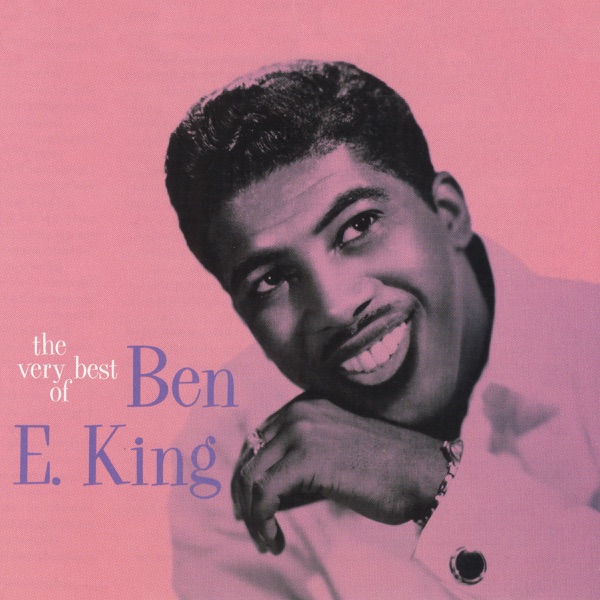
- The Very Best of Ben E. King album referenceAlbum / artwork context
- Ben E. King artist profileArtist background
- Stand by Me on MusicBrainzRecording metadata
- Ben E. King on MusicBrainzArtist metadata