
Songwriting Takeaway
- Structure can be ANYTHING if sections are individually strong
Key: Bb major (shifts through multiple keys across sections)
Chord Progression: Complex -- ballad in Bb, operatic section modulates wildly, hard rock in Eb, outro returns to Bb
Time Signature: 4/4 throughout, but TEMPO shifts dramatically between sections
Notable Techniques
- SIX DISTINCT SECTIONS -- a cappella intro -> ballad -> operatic -> hard rock -> reflective outro. No verse-chorus structure AT ALL
- 180+ vocal overdubs in operatic section -- Mercury, May, Taylor stacked repeatedly
- Piano-driven ballad transitions to guitar-driven rock via operatic BRIDGE (not breakdown)
- Tape splicing in 1975 -- sections recorded separately, physically spliced together
- Brian May's guitar harmonies in thirds (Red Special through Vox AC30 wall)
- Mercury's four-octave range exploited -- falsetto in opera section, chest voice in rock
- Timpani rolls for classical drama -- orchestral elements without full orchestra
- Word painting: "Thunderbolt and lightning" matched with musical thunder (drums + piano crash)
Emotional Effectiveness
- Narrative arc without clear story -- confession, trial, chaos, defiance, acceptance
- "Mama, just killed a man" -- IMMEDIATELY grabs attention (see also: "shot a man in Reno")
- Who is Scaramouche? Bismillah? Beelzebub? MYSTERY creates endless interpretation
- Opera section is absurdist chaos that mirrors mental breakdown
- Guitar section is cathartic RELEASE after operatic tension
- "Nothing really matters" coda = resignation or enlightenment? Ambiguous ending
- Six minutes of emotional journey -- you're exhausted but satisfied at end
Production Elements
- Recorded at Rockfield, Trident, Wessex, and Scorpio studios over 3 weeks
- Roy Thomas Baker production -- maximalist, no idea rejected
- Tape machines nearly WORE THROUGH from overdub passes (oxide showing through)
- 24-track limit required bouncing sub-mixes -- committed decisions, no undo
- Piano (Bechstein concert grand) mic'd close for intimacy in ballad, distant for drama
- Guitar solo sits FORWARD in mix -- melodic, singing quality
- Final "gong" hit by drummer Roger Taylor sustains 5+ seconds -- definitive END
Songwriting Tricks
- IGNORE verse-chorus if the song demands it -- let content dictate form
- Sectional composition: write PARTS, assemble them into sequence (like classical movements)
- Confessional opening = instant hook ("Mama, just killed a man" is verse 1, line 1)
- Mysterious references create lasting intrigue -- don't explain everything
- Operatic dynamics: quiet -> loud -> quiet -> EXPLOSIVE -> resolution
- Each section serves emotional PURPOSE -- no filler, no padding
- Tempo changes maintain interest across 6 minutes
- Bookend structure: open and close in same key/mood (Bb, contemplative) = journey completed
The "Sectional Suite" Structure
1. A Cappella Intro (0:00-0:48) -- sets tone, establishes vocal prowess
2. Ballad (0:48-2:36) -- piano-driven confession, the "story"
3. Guitar Solo Bridge (2:36-3:03) -- transition, emotional release
4. Opera (3:03-4:07) -- chaos, conflict, absurdist theater
5. Hard Rock (4:07-4:55) -- aggression, "so you think you can..." defiance
6. Outro (4:55-5:55) -- return to ballad feel, resignation, gong
LESSON: You can write a song in MOVEMENTS like classical music. Each section = its own mini-song
The "No Singles Edit" Gamble
- EMI wanted to cut it to 3 minutes for radio
- Queen refused -- "it's either all or nothing"
- DJ Kenny Everett played it 14 times in one weekend, fans demanded full version
- Proved: if quality is high enough, you can break industry rules (see also: Like a Rolling Stone)
- BUT: most artists aren't Queen. Know the rules before breaking them
Harmony Lesson (Opera Section)
- Chord progression: A -> D -> A -> Db -> Gb -> Bbm -> Eb -> Ab -> E -> A (among others)
- WILDLY chromatic -- modulates every few bars
- This instability = mental chaos the character experiences
- Contrast with rock section: Eb -> Bb -> Eb -> Bb = stable, GROUNDED
- LESSON: Harmonic stability/instability can mirror emotional state
Application to Our Work
- Structure can be ANYTHING if sections are individually strong
- Don't be afraid to make sections sound DIFFERENT from each other
- Confessional openers grab instantly -- vulnerability in first line
- Mysterious lyrics create longevity (what DOES it mean? Still debated 50 years later)
- Overdubs for emphasis: stack vocals where emotional intensity demands it
- Bookend your song -- ending that echoes beginning = satisfying closure
- Tempo changes ARE allowed -- match tempo to section's emotional needs
- If content is strong, break format rules (length, structure, expectations)
Contrast With Other Lessons
- Opposite of minimalism (Jolene, HUMBLE.) -- THIS is maximalism as art form
- Shares "break the rules" spirit with "Like a Rolling Stone" (length) and "When Doves Cry" (no bass)
- Shares confessional murder opening with "Folsom Prison Blues" -- shock as hook
- Shares ambiguous lyrics with Dylan -- mystery creates lasting engagement
- Shares one-band-does-it-all with Beatles' studio experimentation
- Shares dynamic range with "Immigrant Song" -- but over 6 minutes, not 2
- Production maximalism that "Wall of Sound" pioneered, Queen perfected
- Structure freedom that prog rock explored, Queen made ACCESSIBLE
Reference Links
- Bohemian Rhapsody on Apple MusicSong / recording search
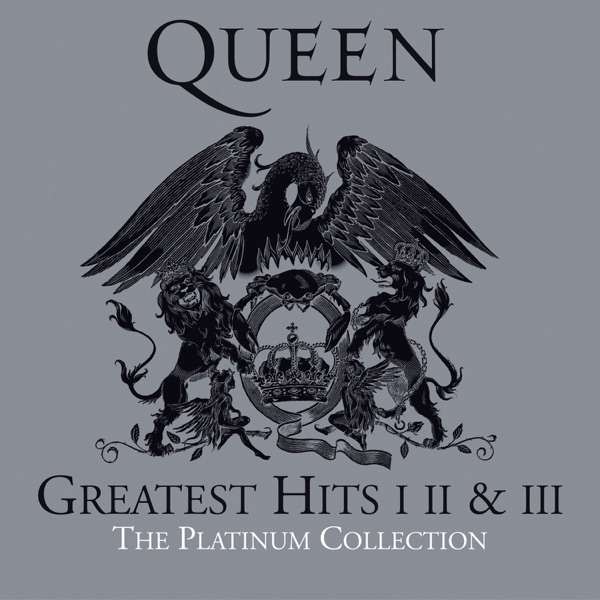
- Greatest Hits I, II & III: The Platinum Collection album referenceAlbum / artwork context
- Queen artist profileArtist background
- Bohemian Rhapsody on MusicBrainzRecording metadata
- Queen on MusicBrainzArtist metadata