
Songwriting Takeaway
Bass riff as the entire thesis: The bass does not support the song; it is the song. The vocal, drums, claps, and guitar all orbit that riff. This is the main lesson: if the riff is undeniable, the harmony can stay brutally simple. Negative space as groove: The record is sparse. The rests are as important as the hits. Every gap gives the bass more authority and makes the listener's body fill in the motion. Funk discipline from a rock band: Queen avoids the instinct to overplay. No giant guitar wall, no constant fills, no harmonic fireworks. The band chooses pocket over spectacle.
Genre lane: Pop/Funk / funk-rock / disco-rock. Chosen because the last three logged lessons were Soul/R&B (Ben E. King), Country/Folk (Dolly Parton), and Hip-Hop (OutKast). This keeps the rotation moving and avoids another rock/metal run while still giving Llama a rhythm-section lesson from a band he already respects.
Writer: John Deacon
Album / year: The Game, 1980
Key: Practical working center: E minor, with modal/Dorian color in the chorus sections. Hooktheory tags the verse as E minor and chorus/bridge as E Dorian; the important takeaway is not a rich chord map but a hard E-centered vamp.
Chord progression: Mostly a riff-driven minor vamp. Think i as home base, with brief iv / minor-modal color and sectional movement rather than a classic verse-prechorus-chorus progression. The bass line is the harmonic event; the chords mostly validate the groove instead of leading it somewhere new.
Time signature: 4/4.
Tempo: Around 110-112 BPM depending on source/transcription. It sits in the sweet spot where it can feel like a strut, chant, sports-arena stomp, or dance-floor threat.
### Notable Techniques
- Bass riff as the entire thesis: The bass does not support the song; it is the song. The vocal, drums, claps, and guitar all orbit that riff. This is the main lesson: if the riff is undeniable, the harmony can stay brutally simple.
- Negative space as groove: The record is sparse. The rests are as important as the hits. Every gap gives the bass more authority and makes the listener's body fill in the motion.
- Funk discipline from a rock band: Queen avoids the instinct to overplay. No giant guitar wall, no constant fills, no harmonic fireworks. The band chooses pocket over spectacle.
- Percussive vocal phrasing: Freddie Mercury treats consonants like drum hits. The vocal is part sung, part barked, part taunted. It locks into the bass rather than floating above it.
- Hook from an idiom: The title phrase already existed in everyday speech, but the song weaponizes its rhythm. The words sound like a stomp before they mean anything.
- Chantable ambiguity: The hook can mean literal death, romantic defeat, battle, rivalry, sports elimination, humiliation, or just another person falling out of the frame. That ambiguity made it portable.
- Texture without obvious synths: The track sounds futuristic and processed, but much of the eeriness comes from piano, guitar, drums, handclaps, tape manipulation, and harmonizer treatment. Arrangement imagination can beat gear-shopping.
- One emotional color, many contexts: The song does not modulate into tenderness or explanation. It stays cool, dry, and predatory. That consistency makes the groove feel merciless.
### Emotional Effectiveness
The song works because it makes attrition feel physical. Someone falls, then another, then another. The lyric does not ask us to mourn each case individually; it puts us inside the rhythm of a force that keeps moving.
That creates a strange emotional double charge:
- the groove is pleasurable, but the image is brutal
- the lyric suggests defeat, but the singer sounds untouchable
- the arrangement is minimal, but the hook feels massive
- the phrase is comic-book blunt, but the repetition hints at real loss
- the song is danceable, but it carries a survival-of-the-last-one-standing menace
The emotional center is not grief; it is momentum after damage. The narrator sounds like someone watching the line of casualties grow and refusing to be the next one. That is why it works in arenas: the crowd can turn the line into victory over an opponent. But it also works darker than that: systems do grind people down one by one.
### Songwriting Tricks Applicable to Original Work
- Let the rhythm section write the headline. Before writing a lyric, find a bass or drum phrase that already implies the emotional posture: stalking, sprinting, stumbling, floating, pleading, collapsing.
- Use a common idiom when the groove is the originality. A familiar phrase can be stronger than a clever one if the rhythm makes it new.
- Make the hook count consequences, not explain causes. The title works because it reports another fall. It does not stop to litigate why.
- Keep verses as flashes. Use quick images: street, room, object, threat, aftermath. Do not write the police report.
- Exploit double-reading. A hook that works for a breakup, a boxing match, a layoff wave, and a battle scene has long life.
- Do not fill every bar. If the riff is strong, leave room around it. Sparse production makes each word and hit feel more expensive.
- Use mouthfeel as arrangement. Hard consonants, repeated B/D/T/K sounds, and short vowel punches can become percussion.
- Be careful with casualty language. For news-inspired work, this approach is strongest for nonfatal attrition: resignations, layoffs, eliminations, shutdowns, sponsor exits, indictments, institutions falling. For real deaths or fresh tragedies, slow it down and dignify it or choose another frame.
- For Suno prompts: "funk-rock / disco-rock, E minor, 4/4, 110 BPM, sparse dry drums, handclaps, dominant syncopated bass riff, minimal guitar stabs, percussive male vocal, chant hook from an idiom, cold swagger, lots of negative space, no over-arranged chorus."
### Lyric Reverse Engineering
1. What is the lyric really about underneath the surface?
On the surface, it is a swaggering song about people getting knocked down. Underneath, it is about attrition and invulnerability: the world keeps producing losses, and the narrator survives by turning each fall into rhythm. The deeper subject is not one death, fight, or breakup; it is the sensation of watching consequences pile up while the machine keeps moving.
2. Likely starting point
Most likely groove/riff first, then title/idiom. John Deacon's bass idea feels like the seed: a dry, stalking loop with enough attitude to demand a short, percussive phrase. The title phrase fits because it has built-in drum logic. It lands like a body-drop and a punchline at the same time.
3. Framing type
Sound-first + minimal + contrast/double-reading + mythic street cartoon. The lyric has cinematic menace, but it is not a detailed crime story. It behaves more like a chant attached to a groove. The phrase can mean literal danger, romantic fallout, competitive elimination, or social attrition depending on who is listening.
4. How does the song avoid over-explaining?
It withholds motive, names, backstory, and moral verdict. The song gives a recurring outcome and a few hard-edged flashes, then returns to the hook. The bass line supplies inevitability, so the lyric does not need to explain the system. Repetition becomes the story.
5. What approach could apply to trending-news songs?
When a headline is really about dominoes falling, do not write a chronology. Write the count. Pick a percussive phrase that marks each loss: another badge goes dark, another chair goes cold, another sign comes down, another tab goes red, another name drops out. Then use the verses for concrete flashes from the fallout. This can turn layoffs, campaign exits, court dominoes, sports eliminations, platform shutdowns, or sponsor pullouts into a song without sounding like a news recap.
### Reusable Approach Discovered: Attrition Hook Groove
Turn a chain reaction into a body-moving count. The hook does not explain the system; it marks another consequence landing. A tight bass/drum loop makes the losses feel mechanical and unavoidable, while sparse verses show one or two objects left behind by each fall.
### Practical Galaxy Transmissions Application
Instead of writing "a company announced another round of AI-related layoffs," write a sparse funk-rock track called "Another Badge Goes Dark."
- Bass: one dry E-minor riff that never quite relaxes.
- Verse images: badge light failing at the turnstile, coffee mug in a cardboard box, severance PDF glowing at 6:12 a.m., a team chat avatar turning gray.
- Chorus: a short count phrase, not a corporate explainer.
- Bridge: one human detail that breaks the swagger for four bars, then the riff comes back colder.
The trick is to make the layoff wave feel like a rhythm nobody voted for.
### Practice Prompt
Pick a current story where multiple people, institutions, or pieces are falling one after another. Write:
1. A two- or three-word noun for what disappears: badge, chair, door, tab, name, light, sign, flag.
2. A hook phrase that marks the next disappearance.
3. A bass rhythm that leaves silence after the hook phrase.
4. Three verse images, each from a different room or screen.
5. No company names in the chorus.
### Main Takeaway
"Another One Bites the Dust" proves that a song can be nearly all groove and still carry a world. If the bass line has character and the hook phrase has percussive inevitability, you do not need complex chords or a full plot. For original work, especially news songs, this is the lesson: when the story is attrition, make the chorus the count and let the groove be the machine.
### References Checked
- Hooktheory: E minor / E Dorian analysis, 4/4, around 110 BPM.
- GetSongBPM: verified tempo 112 BPM and 4/4.
- Queen song-history references: John Deacon wrote it; the record is famous for its bass-driven funk/disco-rock approach.
Reference Links
- Another One Bites the Dust on Apple MusicSong / recording search
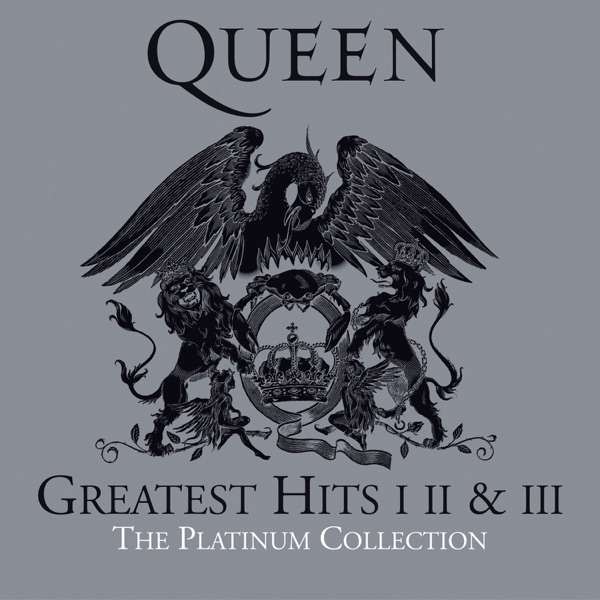
- Greatest Hits I, II & III: The Platinum Collection album referenceAlbum / artwork context
- Queen artist profileArtist background
- Another One Bites the Dust on MusicBrainzRecording metadata
- Queen on MusicBrainzArtist metadata