
Songwriting Takeaway
- Static harmony can work if texture EVOLVES -- don't need chord changes
Mode
Electric Minor
Texture
machine pulse
Application
E minor (modal, almost hypnotic)
Key: E minor (modal, almost hypnotic)
Chord Progression: Em -> Em (essentially STATIC) -- one chord, the SEQUENCE is the movement
Time Signature: 4/4 with metronomic, unwavering pulse
Notable Techniques
- ONE CHORD for 6+ minutes -- harmonic movement comes from SEQUENCE patterns, not chord changes
- Sequenced synthesizer arpeggio as the ENTIRE melodic foundation -- 16th notes creating perpetual motion
- Vocoder vocals -- human voice processed through synthesizer, becomes INSTRUMENT not lyric delivery
- Train rhythm mimics ACTUAL train sounds -- "clickety-clack" becomes percussive element
- Motorik beat (steady, hypnotic 4/4) -- inherited from Krautrock predecessors, perfected here
- Layering through ADDITION -- parts enter gradually, same loop gains density
- Deliberate MECHANICAL feel -- human imperfection removed, machine aesthetic embraced
- Minimoog bass pulses on root (E) -- never moves, anchor for floating sequences
Emotional Effectiveness
- The monotony IS the point -- train travel as meditation, Europe scrolling past
- Repetition creates TRANCE state -- you stop analyzing, start experiencing
- "Trans-Europe Express" vocal line is almost CHANTED, ritual-like
- Cold on surface, deeply EMOTIONAL underneath -- longing for connection through technology
- The relentless pulse mirrors industrial modernity -- we're all on the machine now
- When sequence FINALLY changes (new pattern at ~3:00), it's genuinely exciting -- minimal movement = maximum impact
- European melancholy encoded in minor key -- efficient, precise, wistful
Production Elements
- Recorded at Kling Klang Studio, D -- sseldorf (their private, homemade studio)
- Custom-built equipment -- Kraftwerk literally INVENTED their instruments
- Synthanorma sequencer driving the patterns -- hardware, not software
- Mix is CLEAN -- no distortion, no grit, pure electronic tones
- Stereo field used for MOVEMENT -- sequences pan slowly, train traveling
- Reverb is SHORT, almost none -- dry, immediate, mechanical
- Master is QUIET by modern standards -- headroom preserved, dynamics intact
- Each sound occupies SPECIFIC frequency -- no competition, German engineering in audio form
Songwriting Tricks
- ONE CHORD works if SEQUENCE evolves -- harmonic stasis, textural movement
- Machine aesthetic as emotional tool -- coldness conveys alienation AND connection
- Repetition past comfort creates TRANSCENDENCE -- the loop hypnotizes
- Add parts gradually -- arrangement through layering, not chord changes
- Subject and sound should MATCH -- song about trains sounds like train
- Vocoder removes personality, creates UNIVERSALITY -- anyone could be singing
- Minimal lyrics, maximum impact -- "Trans-Europe Express, Trans-Europe Express" = chant
- Let technology be the INSTRUMENT -- don't hide the machine, celebrate it
The "Motorik" Beat
- Steady, unwavering 4/4 kick drum (often slightly ahead of beat)
- NO fills, NO variation -- hypnotic through REFUSAL to change
- Hi-hat on every eighth or sixteenth -- relentless pulse
- Snare on 2 and 4 (or sometimes absent) -- minimal backbeat
- Originated with Can, Neu!, popularized by Kraftwerk
- LESSON: Sometimes the most powerful drumming is the simplest. Don't fill.
The Sampling Legacy
- Afrika Bambaataa's "Planet Rock" (1982) directly samples this
- "Planet Rock" = birth of electro, hip-hop production, EDM
- Every 808 beat owes something to this track
- Dr. Dre, Kanye, Daft Punk all cite Kraftwerk as foundational
- This 1977 track is STILL being sampled and referenced
- LESSON: Create something timeless, it compounds. One great idea = decades of influence
The "Machine Music" Philosophy
- Kraftwerk: "We are not musicians, we are musical workers"
- They rejected rock star ego -- identical suits, robot personas
- The CONCEPT is part of the art -- train travel, technology, European identity
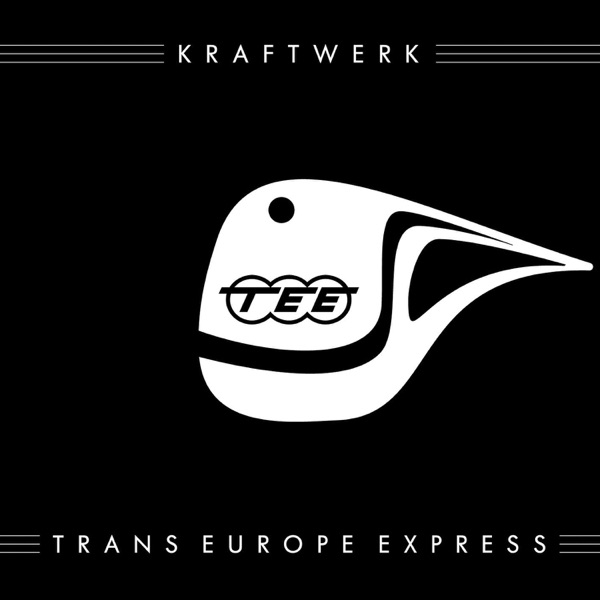
- Album as TOTAL ARTWORK -- cover art, stage show, sound = unified vision
- LESSON: Concept and execution should be inseparable. What's the IDEAb
Why This Changed Everything
- Before Kraftwerk: synthesizers = novelty sounds or prog rock excess
- After Kraftwerk: synthesizers = foundation of popular music
- They proved MACHINES could make you FEEL -- not cold, transcendent
- Detroit techno founders (Juan Atkins, Derrick May) = Kraftwerk disciples
- Depeche Mode, New Order, Pet Shop Boys = direct descendants
- Hip-hop producers realized: the LOOP is the song, not just accompaniment
- LESSON: Constraints (limited gear, no guitar solos, one chord) = innovation
Application to Our Work
- Static harmony can work if texture EVOLVES -- don't need chord changes
- Subject and sound should match -- what should this topic SOUND like?
- Repetition past comfort = hypnosis (see also: Freak Out, What's Going On)
- Sequenced patterns ARE melodies -- don't dismiss electronic hooks
- Gradual layering IS arrangement -- bring parts in/out, density as dynamics
- Embrace technology's character -- don't make synths sound like guitars
- The CONCEPT matters -- song about trains sounds like train travel
- Minimal lyrics can be MORE powerful -- chant over poetry sometimes
Contrast With Other Lessons
- Shares one-chord approach with "What's Going On" (Em7 -> C#m7 vamp) -- minimal harmony
- Shares machine precision with "Billie Jean" -- but Kraftwerk EMBRACES coldness
- Opposite of Bohemian Rhapsody's maximalism -- THIS is reduction to essence
- Shares hypnotic repetition with "Freak Out," "HUMBLE." -- loop as trance
- Electronic foundation that Depeche Mode ("Enjoy the Silence") built upon
- Proto-hip-hop -- the loop-based production Nas and Kendrick inherited starts here
- Shares "concept as art" with Beatles' Sgt. Pepper, Pink Floyd -- total vision
Reference Links
- Trans-Europe Express on Apple MusicSong / recording search
- Trans-Europe Express (2009 Remaster) album referenceAlbum / artwork context
- Kraftwerk artist profileArtist background
- Trans-Europe Express on MusicBrainzRecording metadata
- Kraftwerk on MusicBrainzArtist metadata