
Songwriting Takeaway
- Strong fit for AI influencers, celebrity trials, tech-founder mythmaking, platform avatars, political branding, sports-media narratives, product-launch hype, and viral people being reduced to one screenshot or nickname.
Chord Progression Visuals
Genre lane: Electronic / synth-pop / machine-pop. Chosen because the last three lessons were Soul/R&B (Aretha Franklin), Pop/Funk (Prince), and Hip-Hop (Nas). Today moves into electronic without repeating the already recent lanes, and the song was not already logged.
Key: A minor / E minor-adjacent synth-pop center. Chord sources commonly reduce the tune to an Am - Em axis, with some charts hearing the tonal pull around E minor because the E minor chord and melody feel like the cold gravity point. For practical writing, treat it as a minor loop where the ambiguity is useful: A minor gives the verse its cool detachment; E minor makes the loop feel suspended and slightly emotionally unavailable.
Chord Progression / Harmonic Design
- Core verse loop: Am - Em, repeated. This is the whole glass case: two minor chords, cleanly lit, with no sentimental release.
- Lift/turnaround color: C - Bm - G, then C - Bm - E in many chord reductions. That move briefly opens the frame before returning to the Am/Em display loop.
- The harmony is not trying to narrate inner turmoil. It behaves like a rotating showroom platform: repeat, display, reset.
- The minor-to-minor alternation keeps the track fashionable rather than tragic. It is melancholy with the tears removed.
- The simplicity leaves the emotional work to timbre, repetition, vocal distance, and the social meaning of the lyric.
Time Signature: 4/4.
Tempo / Feel: Around 125 BPM in many performance/chord databases: danceable, efficient, and unsentimental. The pulse feels less like a drummer and more like a product conveyor or runway click-track.
Structural Snapshot
- Synth hook establishes the artificial surface before any character is explained.
- Verse lines describe the model through observable behaviors and public settings rather than confession.
- The repeated Am/Em loop makes each detail feel like another photo angle.
- The turnaround gives just enough lift to keep the song pop-accessible, then drops back into the display case.
- There is no cathartic bridge where the subject reveals herself. That absence is the point.
Notable Techniques
- Detached narrator: The vocal does not plead, judge, or empathize overtly. It reports with a slightly fascinated distance.
- Two-chord display loop: The Am/Em repetition is a musical mannequin stand: stable, cool, and endlessly reusable.
- Synthetic surface as meaning: The polished electronic texture matches the lyric's world of cameras, image, product, and desire.
- Melody as contour, not confession: The vocal line is memorable but emotionally flattened, which suits a subject being turned into image.
- Minimal lyric inventory: Nightlife, camera, champagne/product/magazine imagery: only a few signs are needed to imply the whole machine.
- European pop restraint: The song is catchy without over-performing emotion. It trusts poise.
- Objectifying viewpoint made audible: The track's coolness makes the listener feel the distance between person and public image.
Emotional Effectiveness
The song works because it refuses to become a tragic diary. A more conventional version might tell us how lonely the model feels, how exploitative the industry is, or what the narrator morally thinks. Kraftwerk instead builds a clean surface and lets the unease gather underneath. The subject is everywhere and nowhere: visible, desired, purchasable, repeated, but not truly known.
That emotional coolness is what makes the song last. It does not ask the listener to cry for the character; it asks the listener to notice how easily a person can become a circulating image. The machine groove makes the social machine feel normal. By the time the hook has repeated, the listener has participated in the same looking that the lyric describes.
Production / Arrangement Elements
- Bright, clipped synth lines act like lights on glass and chrome.
- Repetitive machine rhythm keeps the body moving while the lyric stays emotionally dry.
- Little organic looseness: the grid is part of the song's critique and charm.
- The vocal sits with clean diction and limited theatricality, closer to catalog copy than soul confession.
- The arrangement is sparse enough that every repeated phrase feels like a printed caption under an image.
Songwriting Tricks Applicable to Original Work
- When writing about public image, do not automatically reveal the private wound. Withholding interiority can be the wound.
- Let production embody the system: machine rhythm for platforms, glossy synths for branding, clipped loops for algorithmic repetition.
- Use a two-chord loop when the subject is trapped in display, routine, or commodification.
- Write verses as surface inventory: objects, settings, gestures, labels. Let the missing inner life haunt the song.
- A detached narrator can be more disturbing than an angry narrator if the story is about normalization.
- Make the hook a public label, not a personal confession, when the news story is about being reduced to a role.
### Lyric Reverse-Engineering
1. What is the lyric really about underneath the surface?
Under the surface, the lyric is about commodified visibility: the conversion of a person into an image that circulates through desire, advertising, nightlife, and media. It is not simply "a song about a beautiful model." It is about the transaction around beauty -- who looks, who pays, who photographs, who consumes, and how little of the actual person has to be known for the machine to work.
2. Likely starting point
Likely character/scene + title/label + electronic concept. The title gives a public role, not a private name. The writer likely started from the image of a fashion model as a perfect Kraftwerk subject: human body treated as designed object, glamour processed through technology, desire mediated by cameras. The band then stripped the music down until the form itself felt like a display system.
3. Framing type
Glass-case label + minimal reportage + contrast/double-reading. The lyric appears simple and literal, but the framing lets it double as commentary on celebrity, advertising, gendered looking, consumer culture, and human-machine aesthetics. It is also sound-first in the sense that the cool electronic surface is inseparable from the meaning.
4. How does the song avoid over-explaining?
It never gives the model a monologue, never explains the economics of fashion, and never tells the listener what to think. It uses a few public-facing details and repeats the label until the absence of interior life becomes obvious. The song trusts surface to reveal the system. That restraint keeps it from becoming a lecture.
5. What approach could apply to trending-news songs?
Use this for stories where a person, product, company, AI avatar, influencer, athlete, politician, or institution has been flattened into a label. Do not explain the whole controversy. Build the song around the public-facing label and show only the surfaces: ring light, caption, pitch deck, jersey, courtroom sketch, product demo, logo wall, profile photo, camera flash. Let the hook repeat the label until it starts to sound less like praise and more like a cage.
Reusable approach discovered: Display-Case Label Loop. Put the subject inside a repeating glossy frame; withhold private explanation; let surface details and machine repetition reveal commodification.
Application to Our Work
- Strong fit for AI influencers, celebrity trials, tech-founder mythmaking, platform avatars, political branding, sports-media narratives, product-launch hype, and viral people being reduced to one screenshot or nickname.
- Example: instead of "an AI influencer went viral and raised authenticity concerns," write an electronic pop track called "The Avatar" or "The Perfect Face." Verses show the ring light, autogenerated smile, brand-safe pose, comment feed, and sponsor tag. The chorus repeats the label until the missing human becomes the emotional center.
- Musical direction: sparse synth-pop, two minor chords, clean drum machine, glossy hook, clipped vocal delivery, and one small melodic lift that feels like a camera flash rather than a confession.
Practice Prompt
Pick a headline where someone is being consumed as an image. Write the public label at the top: founder, avatar, champion, suspect, model, genius, villain, winner. List six surfaces around them: light, logo, caption, room, outfit, metric. Build the chorus from the label only. Do not give them a diary entry unless the final verse needs one tiny crack in the glass.
Reference Links
- The Model on Apple MusicSong / recording search
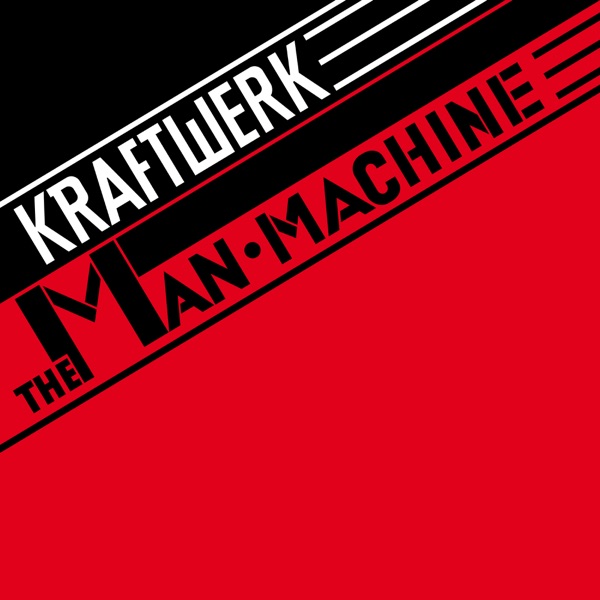
- The Man-Machine (Remastered) album referenceAlbum / artwork context
- Kraftwerk artist profileArtist background
- The Model on MusicBrainzRecording metadata
- Kraftwerk on MusicBrainzArtist metadata