
Songwriting Takeaway
- Nonsense syllables as hooks -- if the sound is right, meaning is optional
Mode
Groove Chrome
Texture
mirror ball
Application
A major / A Mixolydian (ambiguous -- the tonic chord A NEVER a
Genre: Funk/Disco/Pop
Key: A major / A Mixolydian (ambiguous -- the tonic chord A NEVER appears as a clean triad)
Chord Progression: Dmaj7 -> C#m7 -> Bm7 -> F#m7 -> Dmaj7 -> C#m7 -> G/A -> G/A (8-bar loop) -- ALL chords diatonic to A major except that crucial G/A at the end
Time Signature: 4/4 at ~126 BPM (starts ~124, drifts UP to ~129 by fadeout -- natural tempo acceleration from excitement)
Notable Techniques
- EVERY CHORD DIATONIC except one -- all built from A major scale (skip-note stacking), but the I chord (A) and V chord (E7) NEVER appear. The key is defined by what's AROUND it, not what's IN it. Musical negative space
- Al McKay's guitar riff is percussive and melodic simultaneously -- tight, muted stabs with open voicings. Clean Strat tone, no distortion
- The G/A slash chord (last two bars) = A7sus4/A9sus4 -- creates Mixolydian b7 that gives the loop its BLUESY edge. The sus4 (D note) never resolves to C#. PERMANENT suspension
- "Ba-dee-ya" = NONSENSE SYLLABLES as hook -- Maurice White's placeholder that the writers begged him to change. White: "Who the fuck cares?" The SOUND matters more than the meaning
- Horn section (Phenix Horns) plays FANFARE stabs -- punctuation, celebratory, not melodic lines. Brass as confetti
- Tempo DRIFTS upward throughout -- starts ~124 BPM, ends ~129 BPM. No click track. The band literally gets MORE EXCITED as the song progresses. Recorded to tape, pre-DAW
- Layered vocals -- Maurice White lead with Philip Bailey's FALSETTO soaring above. Two vocal registers = two emotional dimensions
- Bass (Verdine White) is MELODIC and ACTIVE -- walks, runs, fills. Funk bass as lead instrument underneath
Emotional Effectiveness
- Pure JOY without irony -- unashamed celebration. No edge, no coolness, no detachment. RADICAL sincerity
- "Do you remember the 21st night of September?" -- the date means NOTHING. Chosen because it sounded good. Proves: specificity creates emotional weight even when arbitrary
- "Ba-dee-ya" works because PHONETICS carry emotion -- the syllables FEEL joyful regardless of meaning. Vowel sounds (ah, ee, ah) are OPEN, expressive, singable
- The tempo acceleration creates PHYSICAL LIFT -- your body speeds up WITH the band. Subconscious excitement
- Philip Bailey's falsetto adds YEARNING to celebration -- joy tinged with nostalgia. "Do you REMEMBER" = looking back. The happiness is partly memory, partly present
- The unresolved sus4 (G/A) creates subconscious LONGING -- pure major would be too simple. The suspension adds sophistication, a hint of bittersweetness
- No verse-chorus distinction -- the groove is CONTINUOUS. Sections flow into each other. The party doesn't stop for structure
Production Elements
- Recorded at Hollywood Sound Recorders, September 1978 -- Maurice White producing (with help from Charles Stepney's earlier arrangements influencing EWF's orchestral approach)
- The Phenix Horns: Don Myrick (sax), Louis Satterfield (trombone), Michael Harris (trumpet), Rahmlee Michael Davis (trumpet) -- tight ensemble, Motown-level precision
- Guitar (Al McKay): Fender Stratocaster, clean, compressed -- sits in high-mids, leaves low end OPEN for bass and kick
- No click track -- band played LIVE together. The tempo drift is audible and beautiful
- Strings recorded separately -- lush but arranged to SUPPORT, not dominate
- Bass is PROMINENT in mix -- Verdine White's tone is round, present, cuts through
- Reverb is SHORT -- tight, punchy, disco-era production. Not washy
- Stereo field: horns WIDE, vocals CENTER, guitar panned, percussion spread -- every element has address
- The "ba-dee-ya" vocal layers are STACKED -- multiple takes, tight harmony, creates wall of joy
Songwriting Tricks
- NONSENSE SYLLABLES CAN BE THE HOOK -- "ba-dee-ya" has no meaning but is the most memorable part. Sound > semantics. If it FEELS right, leave it (see also: "I know" x26 in Ain't No Sunshine)
- "Never let the lyric get in the way of the groove" -- Al McKay's greatest lesson, learned from Maurice White
- Arbitrary specificity creates emotional weight -- "the 21st night" means nothing but SOUNDS significant. Listeners attach their OWN memories to it
- The TONIC chord doesn't have to appear -- A major key defined without an A chord. Harmonic negative space (see also: When Doves Cry removing bass)
- Eight-bar loop is the ENTIRE song -- no B section, no bridge. The arrangement creates variety, not the chords (see also: Enjoy the Silence, Dreams)
- Mixolydian b7 adds blues edge to major key -- the G natural prevents it from sounding "vanilla." Sophisticated without being complex
- Tempo acceleration = emotional acceleration. In the DAW era, we QUANTIZE this away. Consider: let tempos breathe
- Two vocal registers (chest + falsetto) create JOY + YEARNING simultaneously -- happiness and nostalgia coexist
The "Missing Tonic" Lesson
- Key of A major, but A chord never appears
- V chord (E7) also absent -- the TWO chords that most define a key are GONE
- All other diatonic chords present: Dmaj7 (IV), C#m7 (iii), Bm7 (ii), F#m7 (vi)
- You FEEL "A major" without ever hearing it -- the ear constructs the key from context
- Similar to how "When Doves Cry" removes bass -- absence creates meaning
- LESSON: Try building a song around a key WITHOUT playing the I chord. The pull TOWARD it becomes magnetic
The Nonsense Syllable Tradition
- "Ba-dee-ya" (September) -- placeholder became hook
- "Na na na na" (Hey Jude, Beatles) -- coda that became the most famous part
- "Sha-la-la" (countless doo-wop songs) -- rhythm > meaning
- "Da da da" (Trio) -- entire song built on it
- The VOWEL SOUNDS carry emotion: "ah" = open, joyful; "ee" = bright, excited; "oh" = round, warm
- LESSON: When stuck on lyrics, try phonetic placeholders. If they FEEL right, they ARE right
The Tempo Drift
- September: 124 BPM -> 129 BPM over 3:35
- That's ~5 BPM increase -- SIGNIFICANT, fully audible
- Happens because band played live to tape with no click
- The ACCELERATION mirrors excitement -- listeners unconsciously speed up too
- Modern production quantizes this away -- everything locked to grid
- Some DAWs now offer "tempo drift" or "humanize" features to recreate this
- LESSON: Consider letting tempo breathe. Rigid BPM can kill the life in a groove. At minimum, let choruses sit slightly faster than verses
The Earth, Wind & Fire Method
- 9-piece band (at minimum) playing as UNIT -- collective groove, not individuals
- Maurice White as visionary -- Afrofuturist imagery, cosmic themes, radical positivity
- Chicago roots (same city as Curtis Mayfield, Chess Records) -- Midwest soul tradition
- Blended funk, disco, jazz, pop, African rhythms, orchestral arrangements -- genre synthesis
- ONE band doing what usually requires separate producers/session players
- LESSON: Genre-blending works when it comes from genuine love, not calculation (see also: Walk This Way, Talking Heads)
Why This Is the Ultimate Party Song
- Every wedding, every celebration, every sporting event -- "September" appears
- It's been 47+ years and it hasn't aged ONE DAY
- Why? The JOY is unconditional -- no irony, no conditions, no subtext to decode
- "Ba-dee-ya" crosses every language barrier -- no translation needed
- The tempo drift makes it ALIVE -- it breathes, it's excited, it's THERE with you
- The harmonic sophistication prevents it from being corny -- sophisticated enough for musicians, simple enough for everyone
- LESSON: Unapologetic joy is RARE in music. Most artists protect themselves with irony. Pure celebration, done well, is timeless
Application to Our Work
- Nonsense syllables as hooks -- if the sound is right, meaning is optional
- The groove > the lyric -- don't sacrifice feel for cleverness
- Harmonic ambiguity (missing tonic, Mixolydian b7) adds depth to MAJOR key songs
- Let tempo breathe -- consider NOT quantizing to rigid BPM
- Falsetto + chest voice for emotional duality (joy + yearning)
- Eight-bar loops sustain songs if ARRANGEMENT evolves (validated across dozens of lessons)
- Arbitrary specificity ("21st night") creates emotional anchors -- listeners project meaning
- Phonetic vowel choices affect mood -- open vowels (ah, oh) = warmth, bright vowels (ee, ay) = energy
- Unapologetic joy is underrated and commercially POWERFUL
- Horn fanfares as celebration -- brass for punctuation, not melody
Contrast With Other Lessons
- Shares horn-as-punctuation with "Respect," "Superstition," "I Got You," "Move On Up" -- brass tradition
- Shares melodic bass with "Billie Jean," "Le Freak," "Superstition" -- funk foundation
- Shares single-loop structure with "Dreams," "Enjoy the Silence," "HUMBLE." -- arrangement, not chords, creates variety
- Shares "placeholder became hook" with "Ain't No Sunshine" ("I know" x26) and "Iron Man" (Ozzy improv) -- accidents as features
- Shares tempo drift/live-feel with "I Got You" (James Brown live energy) -- pre-DAW magic
- Shares Mixolydian flavor with "Once in a Lifetime" (Talking Heads) and "Norwegian Wood" (Beatles)
- Shares Chicago soul DNA with "Move On Up" (Curtis Mayfield) -- Midwest groove tradition
- Opposite of minor-key introspection (N.Y. State of Mind, Thrill Is Gone) -- THIS is pure major-key celebration
- Shares "radical sincerity" with "I Got You" (pure joy) -- no irony, no protection, just feeling
- Shares genre synthesis with "Walk This Way" and Talking Heads -- fusion through genuine love
Reference Links
- September on Apple MusicSong / recording search
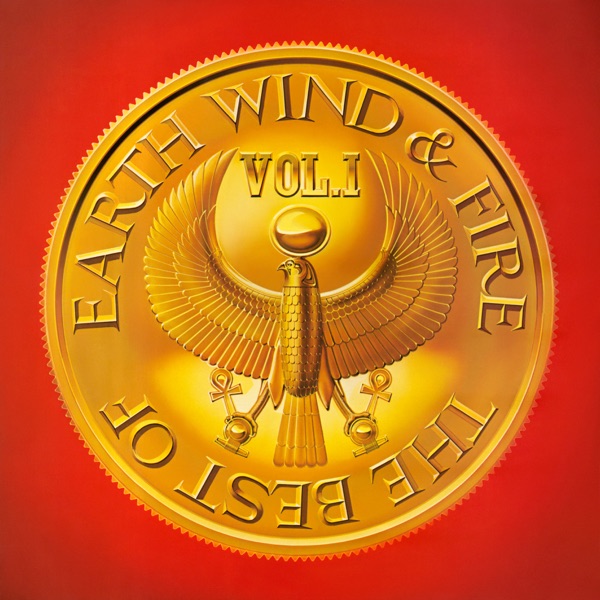
- The Best Of Earth, Wind & Fire Vol. 1 album referenceAlbum / artwork context
- Earth, Wind & Fire artist profileArtist background
- September on MusicBrainzRecording metadata
- Earth, Wind & Fire on MusicBrainzArtist metadata