Songwriting Takeaway
- Strong fit for Galaxy Transmissions topics involving repeated public harm rather than one dramatic event: AI labor disruption, ticketing/service-fee outrage, private-equity hospital cuts, subscription traps, creator-platform backlash, sports-fan misery, or c
Genre lane: Soul / R&B / gospel-blues soul
Why today: The last three logged lessons were hip-hop/pop-funk (OutKast), country/folk (Johnny Cash), and pop/synth-rock (Queen), so today stays out of rock/metal and moves into Soul/R&B. "Chain of Fools" also gives us a clean study in how one image, one groove, and one vocal attitude can make a lyric feel both personal and systemic.
Core Stats
- Artist: Aretha Franklin
- Writer: Don Covay
- Released: 1967
- Key / Tonal Center: C minor / C blues-soul center. The record lives in a dark minor pocket rather than chasing bright resolution.
- Time Signature: 4/4
- Tempo / Feel: Mid-tempo soul groove, roughly in the low-to-mid 110s BPM range. It moves with a steady, hip-swaying confidence rather than frantic speed.
- Core Progression / Harmony: Mostly a one-chord vamp around C minor / C blues harmony, with gospel-blues inflections and brief movement for lift. The emotional engine is not harmonic travel; it is repetition, call-and-response, bass/guitar insistence, and Aretha's escalating authority.
Structural Snapshot
- Guitar/bass riff establishes the chain before the lyric explains it. The music already feels linked, repeated, and hard to escape.
- Lead vocal states the title image immediately, then the backing vocals answer like a community confirming the diagnosis.
- Verses keep returning to the same trapped condition instead of narrating a full breakup timeline.
- The arrangement tightens around the vamp while Aretha's performance grows more declarative.
- The song ends not by solving the chain, but by making the singer's recognition feel undeniable.
Notable Techniques
- One-image thesis: The chain is relationship metaphor, social metaphor, bodily rhythm, and arrangement principle at the same time.
- Vamp as captivity: The repeated groove makes the listener feel the loop the lyric describes. The band does not need many chords because the point is being stuck.
- Call-and-response witness: Background vocals do not merely decorate; they sound like testimony, confirmation, and pressure from the room.
- Blues minimalism with gospel authority: The lyric is plain, but the delivery carries spiritual and emotional force.
- Lead vocal escalation: Aretha starts controlled and keeps adding bite, grit, and command. The performance becomes the narrator regaining power.
- Hook first, explanation later: The title lands before the full situation is described. The listener gets the emotional verdict immediately.
- Riff as argument: The bass/guitar figure is as important as the words. It says: this pattern has weight; this thing repeats.
- Personal hurt with systemic shadow: The song can be heard as romantic humiliation, but the metaphor is wide enough to suggest any exploitative system that keeps people linked beneath someone else's control.
Emotional Effectiveness
- The song works because it does not plead for sympathy. It names the condition with contempt and clarity.
- The minor vamp makes the situation feel inescapable, while Aretha's vocal makes the narrator feel increasingly unfooled.
- The backing vocals give the hurt a public dimension: this is not just one private heartbreak; it sounds like a pattern everyone recognizes.
- The title is brutally efficient. "Chain of fools" contains image, insult, diagnosis, and rhythm in three words.
- The emotional turn is not "I am sad." It is "I see the pattern now." Recognition becomes power.
Production / Arrangement Elements
- The guitar figure is clipped and repetitive, almost like a metal link being struck.
- Bass locks into the riff rather than wandering. Its job is pressure, not decoration.
- Drums keep a steady soul pocket with enough restraint to leave space for the vocal and responses.
- Backing vocals are mixed as a communal counterforce, not as a glossy pad.
- Horns/arrangement accents support the vocal peaks without stealing the thesis from the riff.
- The whole record is dry enough to feel physical: a band in a room, a singer confronting the truth, no cinematic fog required.
Songwriting Tricks
- Make the metaphor structural: If the lyric says "chain," let the groove loop like links. If the lyric says "flood," let the arrangement swell. The music should behave like the image.
- Use a short title that judges: Three words can carry more force than a paragraph if they contain image + verdict.
- Let backing vocals become witnesses: Responses can make a private line feel socially confirmed.
- Trade plot for diagnosis: We do not need every betrayal. We need the pattern that explains them.
- Stay on the vamp when the point is entrapment: Harmonic simplicity can be psychological realism.
- Let the singer's attitude create the arc: The chord progression barely changes, but the performance moves from recognition to command.
Lyric Reverse Engineering
1. What it is really about underneath the surface: On the surface, it is about a lover realizing they have been used and made part of a humiliating romantic pattern. Underneath, it is about exploitation as a chain: one person holds power, another accepts scraps, and a whole line of people can be made to participate in their own diminishment until someone finally names it.
2. Likely starting point: title/image + riff/groove + emotional verdict. The phrase "chain of fools" is so compact that it probably acted as the seed: a title that already implies rhythm, insult, and structure. The vamp then turns that title into a bodily loop.
3. Framing mode: metaphor-first + emotional-residue + contrast/double-reading. It is a relationship song, but the image is big enough to become social. It is not reportage and not a full character biography; it is a verdict delivered from inside the pattern.
4. How it avoids over-explaining: It does not document every wrong, name every other person, or explain the psychology of the relationship. The chain image does the heavy lifting. The lyric gives just enough relational context, then lets repetition, responses, and vocal authority make the meaning expand.
5. Trending-news application: For stories about repeated exploitation -- layoffs after promises, platform creators feeding an algorithm, consumers trapped by subscriptions, institutional failures passed down the line, sports fans stuck in loyalty cycles -- write the pattern, not the article. Find the short image that names the loop and let the groove enact it.
The Pattern-as-Chain Approach
- Identify the repeating exploitative relationship in the news: boss/worker, platform/creator, lender/borrower, team/fan, institution/family, algorithm/user.
- Convert it into a physical link image: chain, leash, ladder, conveyor belt, turnstile, assembly line, call tree, paper trail.
- Make the hook a verdict, not an explanation.
- Use a repetitive vamp/riff so the audience feels the loop.
- Let backing vocals or gang responses represent the other people caught in the same system.
- Keep verses sparse: one or two concrete details are enough if the central image is strong.
Application to Our Work
- Strong fit for Galaxy Transmissions topics involving repeated public harm rather than one dramatic event: AI labor disruption, ticketing/service-fee outrage, private-equity hospital cuts, subscription traps, creator-platform backlash, sports-fan misery, or corporate layoffs after upbeat executive messaging.
- Example: instead of "A platform changed its payout policy and creators are angry," write a minor-key soul/funk vamp called "Line of Hands" or "Chain of Clicks." Verses show one creator refreshing the dashboard, another filming past midnight, another waiting on a payout; the chorus delivers the verdict: everyone is linked to a machine that keeps taking.
- Production direction: one-chord minor vamp, clipped guitar/bass riff, dry drums, call-and-response backing vocals, lead vocal that grows from controlled recognition to righteous command.
Reference Links
- Chain of Fools on Apple MusicSong / recording search
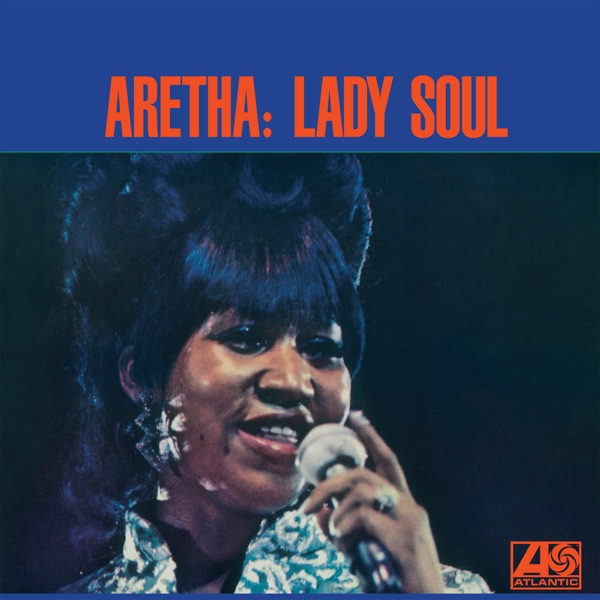
- Lady Soul album referenceAlbum / artwork context
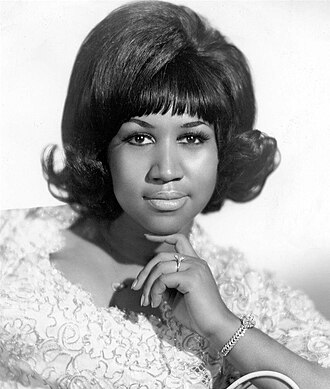
- Aretha Franklin artist profileArtist background
- Chain of Fools on MusicBrainzRecording metadata
- Aretha Franklin on MusicBrainzArtist metadata