Songwriting Takeaway
Intro / chorus: C7 -> F7 (I7 -> IV7 in practical C) Verse engine: G7 -> F7 (V7 -> IV7) -- the verse circles around dominant energy and delays the tonic payoff. Chorus payoff: return to C7 -> F7, so the title lands on home instead of floating in tension.
Chord Progression Visuals
Genre lane: Soul/R&B. Chosen because the last three logged lessons were Electronic (Depeche Mode), Hip-Hop (OutKast), and Pop/Funk (Queen & David Bowie). No rock/metal streak, and today deliberately moves into the Soul/R&B lane from the required rotation. Checked the log first: Aretha Franklin's "Respect" was not already used as a full lesson.
Writer / artist: Otis Redding / Aretha Franklin
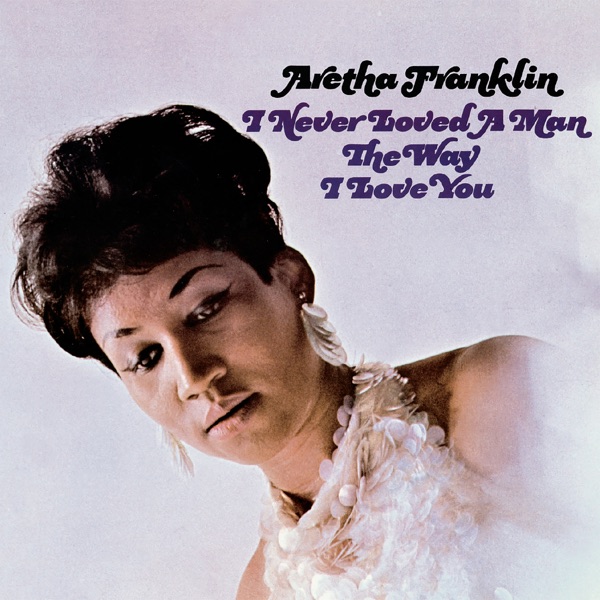
Release / album: Franklin's version was recorded in 1967 and released as a single from I Never Loved a Man the Way I Love You.
Working key: C blues-soul / C Dorian / practical key of C. Hooktheory tags the song as C Dorian, while working band charts usually treat it as C with dominant-seventh soul harmony. The important sound is not clean C major; it is a C-centered R&B vocabulary where C7, F7, and G7 all behave like muscular dominant colors.
Chord progression: The core is extremely small, which is why the vocal and arrangement feel so commanding:
- Intro / chorus: C7 -> F7 (I7 -> IV7 in practical C)
- Verse engine: G7 -> F7 (V7 -> IV7) -- the verse circles around dominant energy and delays the tonic payoff.
- Chorus payoff: return to C7 -> F7, so the title lands on home instead of floating in tension.
- Sax solo pivot: F#m -> B7, then back through G7. That is a surprising out-of-key move that briefly points toward E before snapping back to the main soul grid.
- Breakdown / title chant: C7 -> F7 with a brief Bb / bVII flavor, adding a backdoor-gospel twist.
The writing lesson: the harmony is simple, but the placement is dramatic. The verse withholds home; the chorus gives the demand a floor to stand on.
Time signature / tempo: 4/4, roughly 114-117 BPM depending on source. GetSongBPM lists 114 BPM and 4/4; Hooktheory lists 117 BPM and 4/4. It feels faster because the backbeat, horn punches, and vocal pickups keep leaning forward.
### Notable Techniques
- Dominant-seventh grid: C7/F7/G7 keeps every chord a little hot. Nothing sounds polite or resolved; even home has grit.
- Verse avoids the tonic: Starting the verse on the V-IV area makes the singer sound like she is already in motion, already pressing the case, before the chorus plants the boundary.
- Perspective flip: Franklin takes a song associated with Otis Redding and changes the center of gravity. The demand comes from a woman's voice with authority, wit, and leverage.
- Gospel call-and-response: The backing vocals do not merely decorate. They turn a private relationship demand into a communal affirmation.
- Stop-and-stutter syncopation: The band leaves little rhythmic catches around the vocal. Those gaps make the lead line feel like command language, not smooth pleading.
- Spelled-title hook: The letter-by-letter title break makes the central word percussive, teachable, and impossible to mishear. It is a lyric, rhythm part, and audience-participation device at once.
- Small-ask / huge-stakes contrast: The surface request sounds modest, but Aretha's delivery reveals that the real ask is dignity.
- Sax solo key-jolt: The F#m -> B7 passage opens a sudden side door, then the return to G7 slams the song back into the main argument. Brief harmonic surprise, no loss of form.
- Economy of length: The record is under two and a half minutes. No wasted bridge lecture. The song gets in, states the demand, lets the groove prove it, and gets out.
- Arrangement as ownership: Piano, horns, background vocals, and lead conviction all say: this is not just a cover; this version has taken possession of the song.
### Emotional Effectiveness
"Respect" works because it compresses private reciprocity, gender politics, civil-rights resonance, and personal dignity into one hard, singable word. The lyric does not need to say "this is a feminist anthem" or "this is about a national struggle for dignity." The record lets the demand expand naturally.
The strongest tensions:
- private relationship scene vs. public anthem
- modest surface request vs. non-negotiable moral boundary
- simple harmony vs. explosive vocal authority
- danceable pocket vs. serious dignity claim
- inherited song vs. reclaimed authorship
- call-and-response pleasure vs. confrontation
- tight arrangement vs. massive cultural afterlife
The emotional masterstroke is that the singer does not sound like she is begging. She sounds like she knows exactly what she brings to the table. That turns the hook from a plea into a standard.
### Songwriting Tricks Applicable to Original Work
- Make the chorus one boundary word. Credit. Consent. Safety. Names. Wages. Home. Breath. A single word can carry a whole argument if the verses show why it matters.
- Let the verses prove value before the hook demands recognition. Show labor, love, money, time, risk, craft, care, or sacrifice; then ask for the one thing being withheld.
- Use call-and-response for moral consensus. If the issue is public, let backing voices become the crowd, coworkers, family, congregation, or comments section answering back.
- Withhold harmonic home until the demand. Keep the verse on unstable chords; land the chorus on the tonic when the boundary word appears.
- Spell, chant, or syllable-break the title when the word itself matters. This is especially useful for abstract terms that need to become physical in the mouth.
- Flip a dominant phrase. Take the language used by the powerful side and make the affected person sing it back with different ownership.
- Keep topical resonance out of the thesis line. The song can become bigger than the incident if the hook names a universal human requirement instead of the whole article.
- For Suno prompts: "1967 Atlantic soul/R&B, C blues-soul / C Dorian, 4/4, 115 BPM, dominant-seventh C7-F7-G7 groove, gospel call-and-response backing vocals, horn stabs, tight drums, commanding female lead vocal, spelled-title chant, dignity-demand chorus, private-to-public anthem energy."
### Lyric Reverse Engineering
1. What is the lyric really about underneath the surface?
Underneath the relationship surface, the lyric is about dignity as a minimum condition. The narrator is not asking to be adored or rescued; she is setting the basic price of reciprocity. Because the word is so universal, the private scene expands into gender, labor, race, and public recognition without needing to name all of them.
2. What was likely the starting point?
Likely existing title/phrase + live groove + perspective flip. Franklin already knew Redding's song, had performed it live, and reshaped the tempo, phrasing, backing-vocal parts, and authority of the narrator. The seed was not a new plot; it was the realization that the same demand means something radically different when sung from a different body and social position.
3. Framing type
Perspective-flipped demand + sound-first chant + emotional-residue anthem. On paper it is a relationship lyric. In performance it becomes a reclaimed boundary word. The spelling, background answers, and gospel-soul delivery turn the title into a public chant.
4. How does the song avoid over-explaining?
It refuses to define respect in essay terms. It gives a few concrete exchanges, repeats the boundary word, and lets the voice, band, and backing singers carry the social meaning. There is no historical footnote inside the hook. The listener understands the stakes because the performance makes the word feel overdue.
5. What approach could apply to trending-news songs?
For trending news, find the one word being denied or abused -- consent, credit, safety, wages, home, names, care, vote, seat, water, bed. Do not recap the whole scandal in the chorus. Put the facts in the verses as evidence, then let the chorus reclaim the word as a demand. If the story involves a powerful institution's preferred language, flip that language into the mouth of the person harmed by it.
### Reusable Approach Discovered: Perspective-Flip Demand
Take a phrase, slogan, role, or demand that originally belongs to one side of a power relationship, then give it to the person or group with less power. The song gains charge because the words are familiar, but the ownership changes.
### Practical Galaxy Transmissions Application
Instead of writing "AI companies trained on artists' work without permission," write a soul/funk track called "Permission."
- Verse images: studio light left on, scraped catalog, prompt box glow, invoice in the van, vocalist clearing her throat before a take.
- Harmony: C-centered dominant-seventh groove; verse avoids home, chorus lands on the title word.
- Backing vocals: a crowd answer that turns one artist's complaint into a shared boundary.
- Hook: one reclaimed word, repeated until it stops sounding optional.
- Bridge: the machine or executive uses sanitized language; the singer flips it back into human terms.
The move is to make the audience feel that the disputed word was always owned by the people who paid the cost.
### Practice Prompt
Pick a current story where a powerful side uses a clean-sounding word. Write:
1. The word they are abusing: safety, efficiency, consent, innovation, freedom, security, care, credit.
2. The person who should own that word.
3. Three concrete things that person has already given.
4. A verse progression that avoids tonic/home.
5. A chorus that lands on the reclaimed word like a verdict.
### Main Takeaway
"Respect" proves that a topical anthem does not need to explain its politics if the title word is morally loaded, rhythmically unforgettable, and sung by the person with the clearest claim to it. For original news songs: choose the boundary word, flip ownership to the harmed voice, and let the arrangement turn private dignity into public consensus.
### References Checked
- Hooktheory: C Dorian, 117 BPM, 4/4, R&B/Soul genre tag, dominant/borrowed-chord complexity notes: https://www.hooktheory.com/theorytab/view/aretha-franklin/respect
- Library of Congress National Recording Registry essay: Otis Redding origin, Franklin's 1967 Atlantic context, work with Carolyn Franklin, added bridge/background-vocal material, cultural resonance, and #1 chart note: https://www.loc.gov/static/programs/national-recording-preservation-board/documents/Respect.pdf
- Spy Tunes chord analysis: practical key of C, verse G7-F7, chorus C7-F7, sax solo F#m-B7 pivot, bVII/backdoor breakdown color: https://spytunes.com/respect-chords/
- GetSongBPM tempo cross-check: 114 BPM and 4/4: https://getsongbpm.com/song/respect/OMqZAg
Reference Links
- Respect on Apple MusicSong / recording search
- I Never Loved a Man the Way I Love You album referenceAlbum / artwork context
- Aretha Franklin artist profileArtist background
- Respect on MusicBrainzRecording metadata
- Aretha Franklin on MusicBrainzArtist metadata