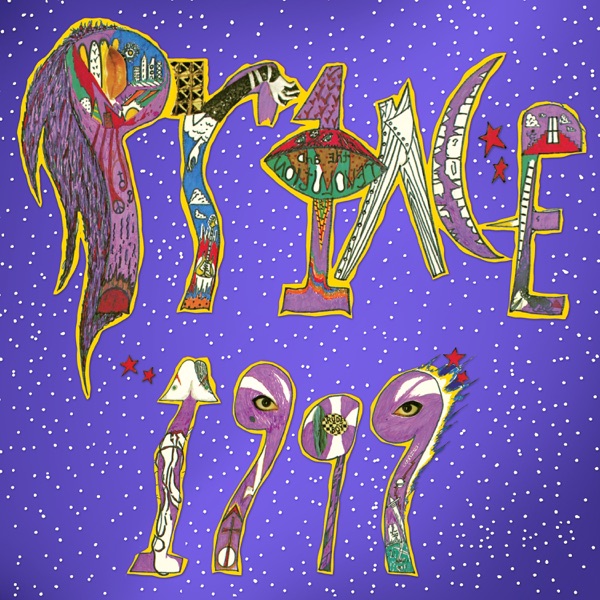

Songwriting Takeaway
- Strong fit for AI arms races, climate deadlines, political countdowns, shutdown threats, corporate product sunsets, strike deadlines, sports elimination nights, and viral countdown events.
Genre lane: Pop/Funk / Minneapolis synth-funk. Chosen because the last three lessons were Electronic/Industrial (Nine Inch Nails), Country/Folk (Johnny Cash), and Soul/R&B (Aretha Franklin). This keeps the rotation moving and studies how Prince turns apocalypse anxiety into a communal party record.
Key: F major overall, with dominant/blues/funk color and sus-chord movement that keeps the harmony bright but restless.
Chord Progression / Harmonic Design
- Practical reduction centers on F with recurring Fsus4/F color, plus Bb, C, and Dm7 movement.
- The harmonic world is mostly major-key and approachable, but the sus chords keep it suspended, as if the party is smiling while the floor tilts.
- The chorus/title area leans into a triumphant I-IV/V pop-funk vocabulary rather than dark minor-key doom. That is the trick: the end-of-the-world idea is set inside lift, not collapse.
- The vamp-like design means the song can run long without needing a complicated bridge. Groove, vocal swaps, percussion, and arrangement layers supply motion.
- The repeated F/sus figure acts like a flashing neon sign: stable enough to dance on, unresolved enough to suggest time is running out.
Time Signature: 4/4.
Tempo / Feel: About 119 BPM, danceable and urgent. It is not frantic; it is cruising at the exact speed where a party can feel both relaxed and unstoppable.
Structural Snapshot
- Opens with a deliberately strange spoken invitation, making the song feel like a broadcast from a party bunker.
- Multiple voices take lead lines, so the track immediately feels communal rather than purely autobiographical.
- Verses sketch a world under nuclear/apocalyptic pressure without turning into a political essay.
- The chorus converts dread into a simple time-stamped party vow.
- Extended outro/tag sections work because the title becomes a chant, not just a lyric.
Notable Techniques
- Apocalypse as dance command: The song does not deny fear; it converts fear into motion.
- Multi-voice lead structure: Lisa Coleman, Dez Dickerson, Jill Jones, and Prince create a rotating party-crowd perspective. The apocalypse belongs to everyone in the room.
- Linn LM-1 machine groove: The drum-machine foundation gives the track futuristic precision while handclaps, guitar, cowbell, and voices keep it human.
- Synth-funk negative space: The arrangement is dense in character but not cluttered. Each part is clipped, bright, and rhythmically useful.
- Title as countdown/date-stamp: "1999" functions as year, hook, prophecy, deadline, and brand.
- Bright harmony against dark premise: The music smiles where the lyric worries, creating durable double-reading.
- Party ad-libs as worldbuilding: The loose shouts and vocal interjections make the song feel already in progress, like the listener has walked into a room with its own rules.
Emotional Effectiveness
The song works because it treats fear as a social emotion. Instead of isolating the narrator in dread, Prince throws the dread into a room full of bodies and asks what people do when the future feels unstable. The answer is not denial exactly; it is defiant pleasure. If time is limited, the body becomes an argument for being alive.
The emotional power also comes from the way the date makes the song both specific and mythic. In 1982, 1999 sounded futuristic and ominous. After the real year passed, the song still works because the date has become symbolic: every generation has its own impossible deadline, countdown, doomsday feed, election night, market panic, or last chance to feel something before the clock resets.
The track avoids gloom by making celebration morally complicated. The party is not shallow because danger is absent; it is meaningful because danger is present. That is a very useful songwriting contradiction.
Production / Arrangement Elements
- Prince builds a hybrid of drum machine, synths, guitar, handclaps, cowbell, and stacked voices -- mechanical future plus human party.
- The drum programming is crisp and repetitive, leaving room for syncopated vocal phrasing and guitar stabs.
- The opening slowed/altered voice creates theatrical unease before the groove arrives.
- The mix keeps the title and communal vocals highly legible; the record wants mass participation.
- Sound effects and percussive accents feel like a club, a warning siren, and a cartoon explosion all at once.
Songwriting Tricks Applicable to Original Work
- Put a dark public fear inside a bright, irresistible groove. The contrast can make the fear more memorable than a dirge would.
- Make the title a timestamp, deadline, or public phrase that can stand for an entire mood.
- Use multiple singers or backing-response voices when the lyric represents a collective condition, not just one person's diary.
- Let the chorus be an action vow rather than an explanation: dance, stay, run, build, call, hold, vote, breathe, party.
- A countdown/deadline hook can unify scattered anxieties without recapping every cause.
- If the world feels unstable, do not always write from panic. Write from the room where people decide how to live anyway.
### Lyric Reverse-Engineering
1. What is the lyric really about underneath the surface?
Under the surface, it is about mortality under modern threat: nuclear fear, end-times imagination, and the absurdity of trying to plan a normal life when the future feels cancellable. The surface says party; the deeper lyric says, "If tomorrow is not guaranteed, how do we spend tonight?"
2. Likely starting point
Likely title/deadline + cultural anxiety + groove. The year 1999 was a powerful futuristic marker in 1982, and the song seems to begin from the contradiction of turning a doomsday date into a dance-floor slogan. The groove likely helped define the lyric's attitude: not mourning the deadline, but dancing at it.
3. Framing type
Contrast/double-reading + communal party prophecy + sound-first hook. It can be read as hedonistic party music, nuclear-age anxiety, spiritual end-times humor, or a general survival anthem. The hook is simple enough for a crowd, while the premise keeps deepening underneath it.
4. How does the song avoid over-explaining?
It never gives a policy lecture about war, bombs, politics, or the future. It uses a few high-voltage signals -- strange broadcast voice, apocalyptic possibility, the famous year, party command -- then lets the groove carry the argument. The lyric trusts implication: the listener knows what it feels like when the future seems threatened.
5. What approach could apply to trending-news songs?
Use this when the headline creates deadline anxiety: AI race acceleration, climate thresholds, election countdowns, debt ceilings, war escalation, market panic, product shutdowns, platform deadlines, strikes, sports elimination games, or any story where people feel a clock running. Do not recap the timeline. Make the hook a date, countdown, or deadline phrase, then write the song from the room where people choose a living action under pressure.
Reusable approach discovered: Deadline Party Prophecy. Turn a looming public deadline into a communal, singable action vow; let bright groove and repeated date/clock language transform anxiety into defiant life.
Application to Our Work
- Strong fit for AI arms races, climate deadlines, political countdowns, shutdown threats, corporate product sunsets, strike deadlines, sports elimination nights, and viral countdown events.
- Example: instead of "lawmakers face a midnight shutdown deadline," write a synth-funk song from the workers, travelers, and night-shift staff watching clocks in different rooms. The chorus is not an explainer; it is a chant like "midnight's coming, keep the lights on."
- Musical direction: bright synth-funk or pop-rock groove, machine drums, handclaps, communal vocals, one repeated clock/date/title hook, and just enough eerie texture to keep the party from feeling empty.
Practice Prompt
Pick one headline with a deadline. Write the date/time at the top of the page. List three rooms affected by that deadline. In each verse, show one room and one clock/object. Make the chorus a collective action people can sing before the deadline arrives. No policy terms in the hook.
Reference Links
- 1999 on Apple MusicSong / recording search
- 1999 (2019 Remaster) album referenceAlbum / artwork context
- Prince artist profileArtist background
- 1999 on MusicBrainzRecording metadata
- Prince on MusicBrainzArtist metadata