Songwriting Takeaway
- Strong fit for AI/data consent stories, labor disputes, creator-rights fights, platform backlash, healthcare/customer-service anger, political hypocrisy, and sports-fan loyalty exploited by ownership.
Genre lane: Soul/R&B. Chosen because the recent run was Hip-Hop, Electronic/Industrial, then Country/Folk; today moves to soul/R&B and avoids the recent rock/metal trap while using a song not previously logged.
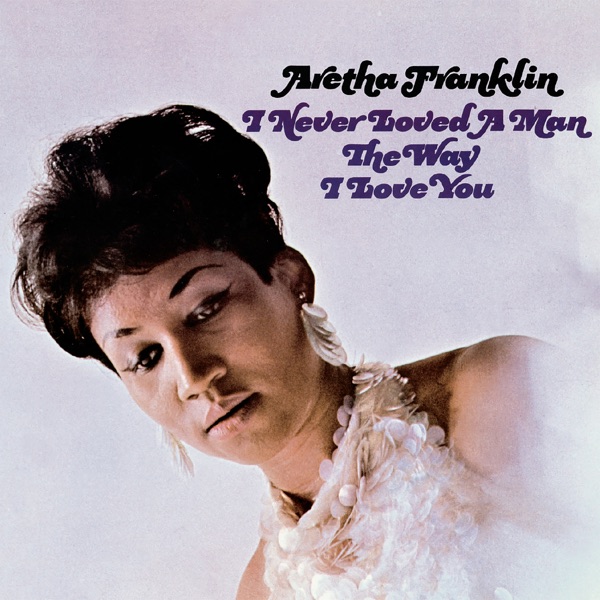
Key: C major / C blues-soul center in the classic Aretha Franklin recording. The track lives in major-key confidence, but the dominant-seventh/blues vocabulary keeps it earthy rather than polished-pop sweet.
Chord Progression / Harmonic Design
- Practical reduction: a dominant-blues I-IV-V frame around C7 - F7 - C7 - G7/F7 - C7, with the band often treating the harmony as a vamp more than a tidy pop progression.
- The dominant 7th sonorities matter: they create push, grit, and adult confidence. This is not innocent major-key happiness; it is negotiated power.
- The song's harmonic simplicity leaves space for rhythm, call-and-response, horn punctuation, and vocal authority to do the emotional work.
- The bridge/tag material does not need complex modulation because the hook escalation comes from arrangement, spelling, backing vocals, and command presence.
- The I-IV-V language also makes the song feel communal and immediately learnable: a demand anyone can sing after one chorus.
Time Signature: 4/4.
Tempo / Feel: Around 115 BPM, with a tight soul groove that sits in the pocket. It feels danceable, but not loose; the band is controlled enough to make every vocal command land like a legal clause.
Structural Snapshot
- Short instrumental setup establishes groove and confidence before the vocal enters.
- Verse frames the relationship as a bargain: devotion is being offered, but dignity is not optional.
- Chorus turns the private demand into a public chant through the title hook and backing vocal response.
- The spelled-out hook becomes the song's signature device: playful, percussive, memorable, and impossible to misunderstand.
- Later repetitions and ad-libs intensify the demand without adding a plot dump. The song wins by restating the core term from different angles.
Notable Techniques
- Reclamation by performance: Otis Redding's original premise is transformed by Aretha's perspective and authority. The same title becomes a different power relationship.
- Hook as command: The title is not decorative. It is the thesis, boundary, and payoff.
- Spelling as percussion: The letters turn language into rhythm, making the central demand catchy before the listener even analyzes it.
- Call-and-response as social proof: Backing vocals make the demand sound communal, not merely individual. The singer is not isolated; the room agrees.
- Economy of argument: The lyric does not litigate the whole relationship. It states the condition and lets the groove enforce it.
- Playfulness under seriousness: The track is fun, which keeps the demand from becoming a lecture. Joy and boundary-setting coexist.
- Vocal authority over harmonic complexity: Aretha's phrasing, attack, and timing carry the drama more than chord changes do.
Emotional Effectiveness
The song works because it turns a simple relational need into an anthem of dignity without losing the body. It is not an essay about equality; it is a groove where equality becomes audible. The narrator is generous, sensual, and committed, but she refuses to let generosity be mistaken for subservience. That emotional contradiction gives the song its charge: love is present, but the terms have changed.
The track is also powerful because it does not sound wounded in a passive way. The singer does not beg to be valued; she names the value she is owed. That shift from pleading to commanding is the whole engine. The listener feels not just the content of the demand, but the pleasure of finally saying it plainly.
Production / Arrangement Elements
- Tight rhythm section with a pocket that feels both danceable and disciplined.
- Horn stabs and backing vocals act like punctuation, underlining phrases without crowding the lead.
- Piano and bass reinforce the vamp's authority; the groove feels like a floor the vocal can stand on.
- The background vocal arrangement is central, especially around the title spelling and response phrases.
- Dynamic excitement comes from vocal arrangement and repetition rather than large harmonic departures.
Songwriting Tricks Applicable to Original Work
- Turn the song's central demand into a short title that can be repeated, spelled, chanted, or answered by backing vocals.
- When writing about dignity, avoid explaining dignity. Create a situation where the singer has leverage and states the terms.
- Use call-and-response to make a personal boundary feel like a movement.
- Let a playful device carry a serious argument; catchiness can smuggle conviction past listener defenses.
- If the lyric is about reversal, consider transforming an existing public phrase, slogan, job title, label, or insult into the narrator's weapon.
- Keep verses concrete and minimal when the hook is a command. Too much backstory weakens the authority.
### Lyric Reverse-Engineering
1. What is the lyric really about underneath the surface?
Under the surface, the song is about dignity inside intimacy: the moment a person says, "my love, labor, loyalty, and presence are not proof that you own me." It is about renegotiating power without abandoning desire. The surface is romantic, but the deeper engine is social, gendered, economic, and personal respect compressed into one word.
2. Likely starting point
Likely title/phrase + role reversal + groove. The title already had force, but Aretha's version appears to begin from the recognition that the phrase changes meaning depending on who says it. Once the speaker becomes a woman demanding regard rather than a man expecting service, the whole song reorients. The groove then gives that reorientation swagger.
3. Framing type
Contrast/double-reading + command-hook + communal boundary. It can be heard as a lover's ultimatum, a feminist anthem, a labor/dignity statement, or a general self-worth chant. The frame stays specific enough to sing but open enough to scale.
4. How does the song avoid over-explaining?
It refuses to argue the case in paragraphs. The lyric gives a few relational terms, then keeps returning to the boundary. The spelling hook does enormous work: it makes the demand memorable, rhythmic, and public without requiring exposition. The backing vocals also imply agreement, so the singer does not have to prove herself alone.
5. What approach could apply to trending-news songs?
Use this when the news contains a group or person whose basic dignity is being treated as negotiable: workers after layoffs, artists facing AI scraping, customers trapped by platforms, patients dealing with institutions, fans confronting ownership, citizens responding to public officials. Instead of recapping every fact, write the song around the one non-negotiable term. Make the hook a boundary word, spellable phrase, or call-and-response demand; let verses show what was given and what is now being required.
Reusable approach discovered: Boundary Word Reclamation. Take a public term, label, slogan, or relationship word and make the affected narrator redefine it as a non-negotiable demand.
Application to Our Work
- Strong fit for AI/data consent stories, labor disputes, creator-rights fights, platform backlash, healthcare/customer-service anger, political hypocrisy, and sports-fan loyalty exploited by ownership.
- Example: instead of "artists objected to AI companies training on their work without permission," write a soul/R&B track around a hook like "Consent" or "Credit," with backing vocals spelling or answering the word. Verses show the late-night studio, scraped catalog, invoice, and prompt box; the chorus simply states the term that cannot be skipped.
- Production direction: tight soul/funk pocket, dominant-seventh vamp, horn punctuation, lead vocal with command authority, backing vocal response, and a playful rhythmic hook that makes the boundary feel good to sing.
Practice Prompt
Pick a headline where someone powerful treats another group's contribution as automatic. Write down the single word they owe: credit, consent, safety, pay, time, truth, repair, home, name. Build the chorus from that word only. In the verses, show what the narrator gave; in the hook, state what they require. Do not explain the whole policy fight.