
Songwriting Takeaway
Core vamp: G#m - C#m - G#m feeling, i to iv and back. Hook/turnaround color: E - D# - G#m, a VI - V - i move that gives the title a gospel/blues pull back home. Some charts transpose/normalize this to A minor, but the reusable lesson is the same: one minor home, one iv response, one dominant-area turn.
Chord Progression Visuals
Genre lane: Soul/R&B / Hi Records southern soul. Chosen because the last three lessons were Hip-Hop (Nas), Electronic (Kraftwerk), and Country/Folk (Dolly Parton). This keeps the rotation broad, avoids a rock/metal run, and uses Al Green for a practical study in how a groove can make moral ambiguity feel seductive instead of academic. The song was checked against the log and was not already used as a full lesson.
Source / factual notes: Common references differ on the exact notated key depending on chart/transcription: many guitar/chord sources place the record around G# minor / A-flat minor with a G#m - C#m vamp and E - D# - G#m turnarounds, while some commercial sheet arrangements list A minor. For practical songwriting, hear the record as a minor-key soul-funk vamp with dominant pull, blues inflection, and gospel call-and-response. Tempo references cluster around 96-100 BPM in 4/4.
Key: G# minor / A-flat minor center in many chord reductions. The exact spelling matters less than the emotional function: minor tonic gravity, churchy dominant tension, and a vamp that can hold both devotion and danger.
Chord Progression / Harmonic Design
- Core vamp: G#m - C#m - G#m feeling, i to iv and back.
- Hook/turnaround color: E - D# - G#m, a VI - V - i move that gives the title a gospel/blues pull back home.
- Some charts transpose/normalize this to A minor, but the reusable lesson is the same: one minor home, one iv response, one dominant-area turn.
- The harmony behaves like a room where people keep circling the same question: is love saving us, tempting us, or both?
- The song does not need a bridge full of new chords because the moral contradiction is already built into the loop.
Time Signature: 4/4.
Tempo / Feel: Around 96-100 BPM, medium pocket. It is slow enough for Al's vocal teasing and testimony to land, but funky enough that the body believes the song before the mind decides what it means.
Structural Snapshot
- Opens with a groove and title concept rather than plot exposition.
- The title phrase arrives like a church slogan, but the next thought immediately complicates it: love can push you toward right or wrong.
- Verses are not chronological. They are little testimony fragments and conditional vows.
- Backing responses make the song feel communal: not one man lecturing, but a room answering the idea back to him.
- The long vamp lets the lyric deepen through repetition, ad-lib, and bodily conviction rather than narrative development.
Notable Techniques
- Contradiction hook: The central trick is that love and happiness are not framed as purely good. They are powers that can make you behave better or worse.
- Gospel call-and-response in secular clothing: Backing voices answer the lead like a congregation, giving romantic/emotional material spiritual force.
- Vamp as moral pressure: The repeated minor groove keeps the listener inside the unresolved feeling instead of resolving it with a tidy lesson.
- Restraint plus heat: Al Green does not oversing constantly. He slips between soft intimacy, falsetto lift, grit, and preacherly emphasis.
- Conversational ad-libs: Lines feel half-sung, half-spoken. That makes the song sound discovered in the moment, not over-written.
- Title as a paired abstraction: "Love and happiness" is broad, but the groove, voices, and contradiction make it concrete.
- Band as breathing organism: Hi Records-style drums, bass, organ, guitar, and horns leave space. The pocket is loose enough to feel human but tight enough to hypnotize.
Emotional Effectiveness
The song works because it refuses the greeting-card version of love. A simpler song might say love makes everything right. Al Green's version says love is a force: it can make you come home, stay out, do right, do wrong, dance, confess, bargain, and lose control. That is more adult and more useful for songwriting because it gives the listener a contradiction to live inside.
The arrangement is crucial. The groove is warm and sensual, so the warning never feels like a scold. The minor vamp keeps a shadow under the joy, while the call-and-response makes the shadow feel communal rather than private. The listener is not being told, "love is complicated"; the listener is placed inside a room where complication feels good.
Production / Arrangement Elements
- Dry, intimate vocal up front; the singer sounds close enough to persuade you personally.
- Organ and guitar comping act like soft percussive commentary, not busy decoration.
- Bass and drums carry a laid-back but unavoidable pocket.
- Backing vocals work as witnesses/congregation, not just harmony padding.
- Horns and ensemble hits punctuate emotional turns rather than covering every gap.
- Repetition is embraced; the record trusts performance nuance to create development.
Songwriting Tricks Applicable to Original Work
- Put the contradiction in the hook. A line like "it can save you / it can ruin you" is stronger than a thesis paragraph.
- Use a vamp when the subject is morally unresolved. Do not over-chord a lyric whose power is circular temptation.
- Let backing vocals become the public, the crowd, the conscience, the church, the comment section, or the system answering the lead.
- Keep abstract words if the performance and arrangement make them physical. "Love" works here because the groove gives it a body.
- Let the singer sound like they are reasoning in real time. Ad-lib texture can make a lyric feel alive.
- For news songs, avoid flattening complex forces into "good" or "bad" if the hook can admit both.
### Lyric Reverse-Engineering
1. What is the lyric really about underneath the surface?
Under the surface, it is about the double power of attachment. Love is not merely romance or virtue; it is a force that reorganizes behavior. It can domesticate someone, tempt someone, heal someone, expose someone, or make someone irrational. The deeper subject is moral instability under desire: the same thing that makes life meaningful can also make people reckless.
2. Likely starting point
Likely groove + phrase/title + contradiction. The phrase "love and happiness" sounds like a clean soul/gospel promise, but the writer's real discovery was probably the twist: this beautiful thing can make you do wrong and make you do right. Once that contradiction existed, the vamp could circle it like testimony.
3. Framing type
Contrast/double-reading + emotional-residue + gospel testimony. It is literal enough to be about romance, but broad enough to become a song about any intoxicating human force. It is also sound-first: the pocket carries as much meaning as the words.
4. How does the song avoid over-explaining?
It does not list examples, case studies, or a relationship timeline. It names the force, states the contradiction, and lets repeated performance prove the point. The backing vocals, vamp, and ad-libs replace exposition. Because the lyric withholds specifics, every listener can supply their own memory of when love made them better or foolish.
5. What approach could apply to trending-news songs?
For a trending topic, identify the force people both need and fear: AI, fame, money, attention, a political movement, a new platform, a miracle drug, a team, a storm economy, a savior product. Do not write a flat condemnation. Build the hook around the contradiction: it helps / it harms, it frees / it owns, it comforts / it charges, it connects / it consumes. Use call-and-response so the song feels like a public argument inside one groove.
Practical Galaxy Transmissions Application
Instead of writing "AI companionship is dangerous" or "AI companionship helps lonely people," write a soul/electronic vamp called "Comfort and Cost". The lead vocal admits the phone remembers the user's grief and gets them through the night; the backing vocals answer with renewal dates, unread family texts, and the glow under the door. The hook does not resolve the debate. It makes the double power singable.
Reusable approach discovered: Blessing-Threat Double Hook -- turn a public force into a paired promise/problem, then let groove and backing responses hold the contradiction instead of explaining it.
Practice Prompt
Pick a headline where a tool, product, leader, market, drug, platform, or cultural force is both genuinely useful and genuinely dangerous. Write the hook as two linked nouns or verbs: "comfort and cost," "speed and smoke," "cure and craving," "fame and hunger." Verse 1 shows why people want it. Verse 2 shows what it takes. Let the chorus keep both truths alive.
Connections to Prior Lessons
- Shares soul restraint with "Let's Stay Together," but replaces romantic reassurance with moral ambiguity.
- Shares public-condition double-reading with Marvin Gaye's "Inner City Blues," but makes the central force intimate instead of civic.
- Shares contradiction power with Prince's "1999" -- celebration and dread can coexist in the same groove.
- Shares call-and-response utility with Aretha Franklin's "Respect," but the answer here is less demand and more testimony.
Reference Links
- Love and Happiness on Apple MusicSong / recording search
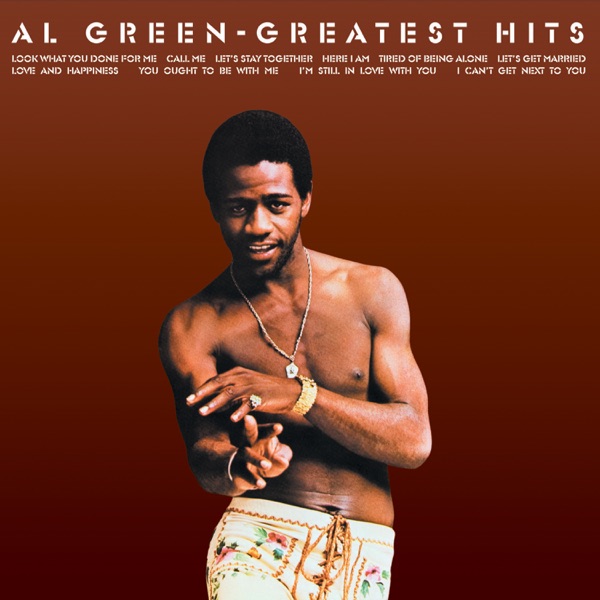
- Greatest Hits album referenceAlbum / artwork context
- Al Green artist profileArtist background
- Love and Happiness on MusicBrainzRecording metadata
- Al Green on MusicBrainzArtist metadata