
Songwriting Takeaway
This is a masterclass in making a tiny lyric frame carry enormous emotional weight. It does not explain the whole relationship. It finds the exact moment where one person is tired, the other is more attached than ever, and stopping would feel like erasing the
Chord Progression Visuals
Genre Rotation Check: Last three full lessons were "9 to 5" (Country-Pop), "Little Red Corvette" (Pop/Funk), and "King Kunta" (Hip-Hop/Funk-Rap). Today moves into Soul / R&B and avoids the recent lanes. Checked the lesson log first: "I've Been Loving You Too Long" had not been used as a full lesson.
Why This Song: This is a masterclass in making a tiny lyric frame carry enormous emotional weight. It does not explain the whole relationship. It finds the exact moment where one person is tired, the other is more attached than ever, and stopping would feel like erasing the life already spent.
Key: A major for the main body, with a late half-step lift to B-flat major for the final emotional push. Several chord databases list A as the key; treat the last section's B-flat move as a classic soul/gospel intensity raise rather than a new narrative world.
Chord Progression
- Core home motion: A - E - A - E (I-V oscillation). The harmony rocks between home and dominant like someone pleading and returning to the same need.
- Verse color: A - C#7 - D - F - A - E - A.
- C#7 is a bright secondary-dominant/III7 color that briefly intensifies the line.
- D (IV) gives gospel warmth and forward motion.
- F natural is the borrowed flat-VI shock: one dark, bluesy wrong-color chord that makes the lyric ache before it resolves home.
- Final lift: the arrangement jumps up a half-step into B-flat territory (Bb - F / Gb colors) so the repeated plea feels physically more desperate without needing new information.
Time Signature: Best practical feel: slow 6/8 / 12/8 soul-ballad lilt, often counted by databases as 3 beats per bar around 75 BPM (or roughly 148 BPM double-time). For writing, feel it as triplet-based sway: every bar rocks like a slow dance that is almost too heavy to keep moving.
Notable Techniques
- Hesitation as arrangement: The vocal does not rush the confession. Pauses, held notes, and tiny delays make the singer sound like he is choosing whether he can survive saying the next line.
- Arpeggiated guitar bed: Steve Cropper's muted, clean guitar keeps the song intimate. It leaves open air for the voice instead of filling the track with strums.
- Horn swells as emotional surges: The horns do not just decorate. They rise like a second voice when the singer's feeling outruns his words.
- One borrowed chord for heartbreak: The flat-VI chord (F in A) is the gut-punch color. Use one unexpected chord at the right lyric moment instead of making every bar harmonically clever.
- Half-step modulation: The late key lift gives escalation without a new verse concept. Same plea, higher floor.
- Stax restraint: Bass, drums, guitar, keys, and horns stay disciplined. The band creates a room for Otis rather than competing with him.
- Vocal grain as meaning: The cracked, hoarse edges are not imperfections; they are the proof. The performance says the narrator has already lost composure.
Emotional Effectiveness
- The title is the trap: love has become duration, habit, identity, and debt. That is more devastating than "I love you" alone.
- The song's central contradiction is simple: the other person is cooling off while the narrator's attachment is getting stronger. That asymmetry creates instant drama.
- It uses devotional language without locking itself into one interpretation. It can be a breakup plea, a spiritual surrender, a seduction song, or a portrait of dependency.
- The lyric stays in the threshold moment. We do not get the whole history, the fight, the blame, or the outcome. We only get the point where stopping feels impossible.
- The slow triplet sway makes desperation feel tender instead of frantic. It is not panic; it is collapse with dignity.
Songwriting Tricks Applicable to Original Work
- Build a song around a threshold phrase: "too long to stop now," "too far to turn back," "too close to let go," "too tired to run."
- Put the narrator at the exact moment when the other side is leaving, cooling, automating, downsizing, forgetting, or moving on.
- Let repetition carry backstory. If the hook implies years of investment, the verses do not need a timeline.
- Use one borrowed chord as the emotional bruise.
- Use a late half-step lift when the lyric is repeating but the feeling must intensify.
- Write to an ambiguous "you" so the song can point at a lover, employer, audience, country, platform, institution, or movement.
- Keep the arrangement sparse enough that the vocal can sound human, not processed into generic polish.
Lyric Reverse Engineering
1. What the lyric is really about underneath:
Under the surface love plea, it is about attachment becoming identity. The narrator is not only asking the other person to stay; he is asking not to have the meaning of his own devotion revoked. The terror is not just loss. It is the thought that all the time spent loving might suddenly count for nothing.
2. Likely starting point:
Phrase/title fragment + emotion. The Library of Congress essay notes Jerry Butler first played a fragment for Redding in a Buffalo motel room, and the song developed from there. The finished title has almost everything: duration, devotion, and refusal. Once that phrase exists, the song only needs to circle the emotional fact from different angles.
3. Framing mode:
Emotional-residue + minimal + devotional plea + contrast/double-reading. It can be heard literally as romance, but the language is open enough to feel like prayer, addiction, dependence, or sunk-cost grief. The frame is not reportage; it is the residue after a relationship has reached a breaking point.
4. How it avoids over-explaining:
It withholds the plot. We never learn what happened, who is right, what the other person said, or whether the relationship survives. It gives one asymmetry -- one heart cooling, one heart intensifying -- then lets repetition, pauses, horn swells, and vocal grain do the explaining.
5. Trending-news application:
Use this for stories where the emotional core is not the new fact but the accumulated investment: workers who have given decades to a company that now automates them, artists fighting platforms trained on their catalogs, families waiting on healthcare systems, communities rebuilding after years of neglect, fans staying loyal to a cursed team, citizens trying not to give up on an institution. Do not write a timeline. Write the moment someone says, in effect, "we have carried this too long to quit right before it matters."
Reusable Pattern Extracted: Devotional Threshold Plea
- Build the title around an investment threshold: too long, too far, too many nights, too much blood, too many names.
- Address the force directly as "you" so the song becomes a relationship rather than an op-ed.
- Use sparse verses and a repeated plea; let concrete fatigue objects imply the backstory.
- Best for long-running labor, healthcare, creator-rights, community, fanbase, recovery, or civic stories where quitting would make sacrifice feel meaningless.
Application to Our Work
- AI/creator-rights: "Been Scraped Too Long" -- artist to the platform, with glowing prompt window, unpaid invoice, old sketchbook, and a chorus refusing to stop now.
- Labor/news: "Been Holding This Line Too Long" -- picket-line soul ballad, 6/8, A major with borrowed flat-VI, horns rising on the hook.
- Healthcare: "Been Waiting Too Long" -- family in a hospital chair, vending-machine dinner, dead phone, wristband, no policy lecture.
- Sports/Jets: "Been Wearing Green Too Long" -- tragicomic fan devotion; same emotional engine, lighter frame.
- Suno direction: 1960s Stax/Memphis soul ballad, A major, 6/8 or 12/8 slow-dance feel, 72-76 BPM, clean arpeggiated guitar, warm organ, restrained drums, horn swells, gritty lead vocal, one borrowed flat-VI chord, final half-step modulation.
Source Checks
- Library of Congress / National Recording Registry essay: released/recorded in 1965, fragment origin with Jerry Butler, Stax/Volt context, arrangement/vocal notes, and interpretive range: https://www.loc.gov/static/programs/national-recording-preservation-board/documents/IveBeenLovingYouTooLong.pdf
- ChordU lists A major, tempo around 70 BPM, and the practical chord set including A, E, C#/D/F colors plus the B-flat-region lift: https://chordu.com/chords-tabs-i-ve-been-loving-you-too-long-otis-redding-id_q6Em1h6gXVU
- GetSongBPM lists 3 beats per bar and roughly 148 BPM / 49 bars per minute, supporting the triplet/slow-ballad count: https://getsongbpm.com/song/i-ve-been-loving-you-too-long/83NWk2
- Reference overview for release date, writers Otis Redding/Jerry Butler, Volt single, Otis Blue inclusion, Steve Cropper production, chart positions, and personnel: https://en.wikipedia.org/wiki/I%27ve_Been_Loving_You_Too_Long
Reference Links
- I've Been Loving You Too Long (To Stop Now) on Apple MusicSong / recording search
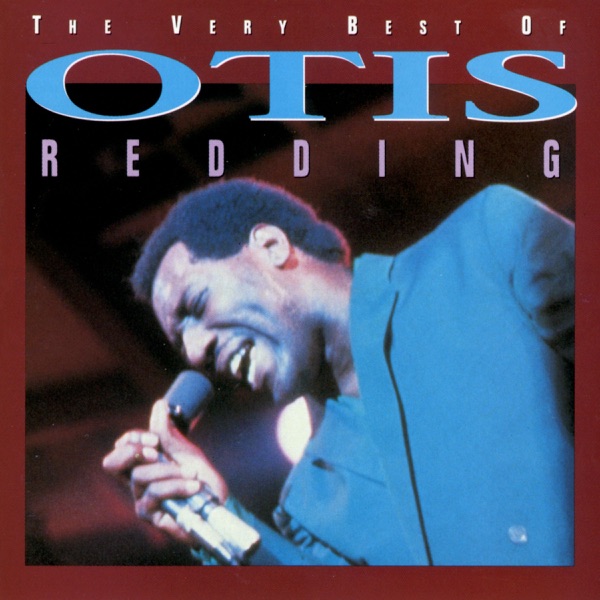
- The Very Best of Otis Redding album referenceAlbum / artwork context
- Otis Redding artist profileArtist background
- I've Been Loving You Too Long (To Stop Now) on MusicBrainzRecording metadata
- Otis Redding on MusicBrainzArtist metadata